 9.4
Weftnom
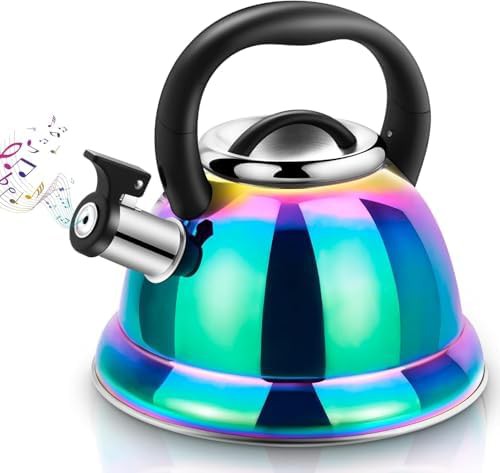
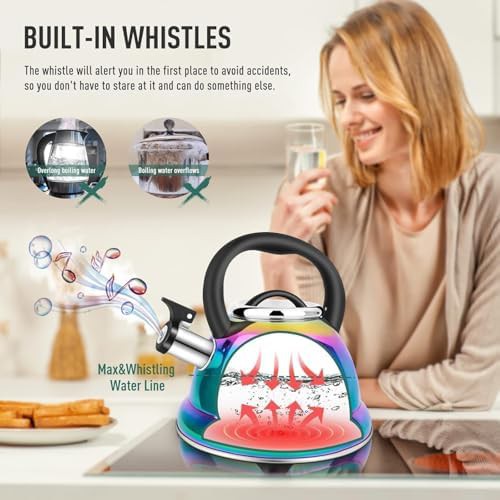
Rainbow whistling kettle with folding handle
$36.99
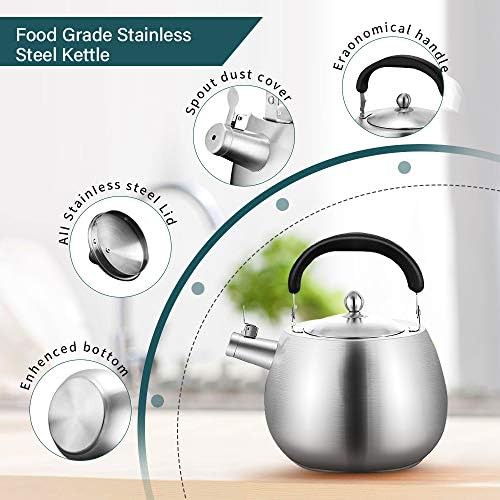
Stainless steel Large Induction With folding handles
Classic kettles that emit an audible alert when your water reaches a boil 198 kettles · 88 brands
9.4
Stainless steel Large Induction With folding handles
 9.4
 9.3
 9.2
 9.2
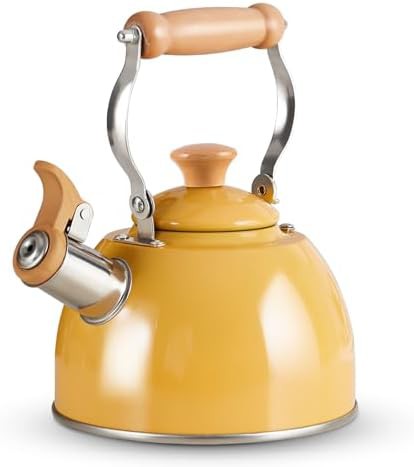
Stainless steel Medium Budget With wood handles
 9.2
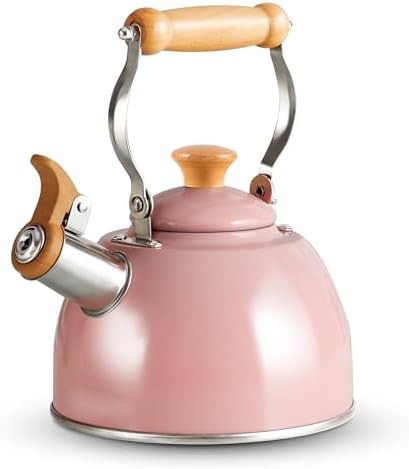
Red Stainless steel Medium Cool touch With wood handles
 9.2
 9.1
 9.1
 9.1
 9.1
 9.1
 9.1
 9.1
Green Stainless steel Large Induction With wood handles
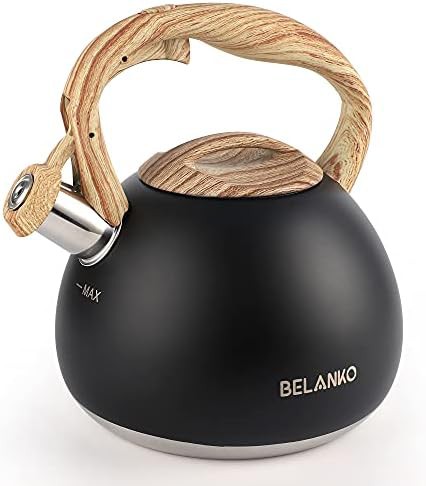 9.1
Black Stainless steel Large Cool touch With wood handles
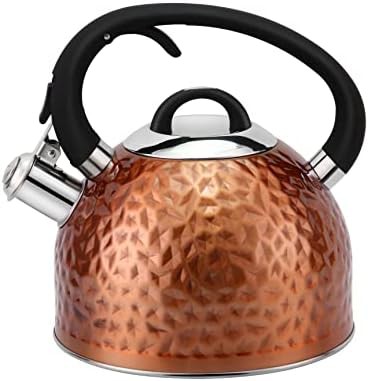 9.1
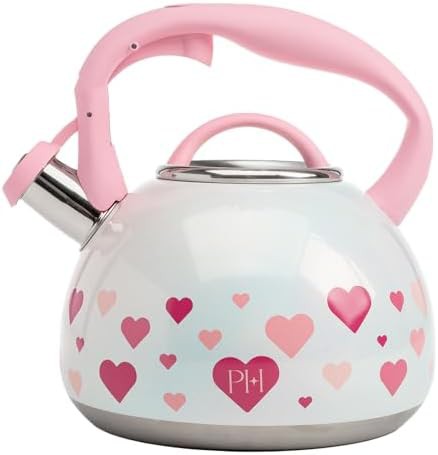 9.1
Stainless steel Medium For gas stoves For electric stoves White
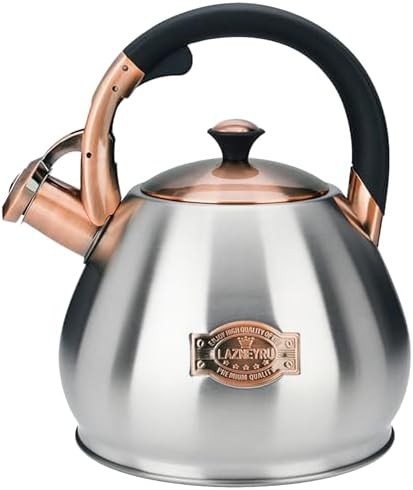 9.1
 9.1
 9.0
 9.0
Stainless steel Large Enamel With folding handles
 8.9
 8.9
 8.9
Red Stainless steel Large Budget Cool touch
 8.9
 8.9
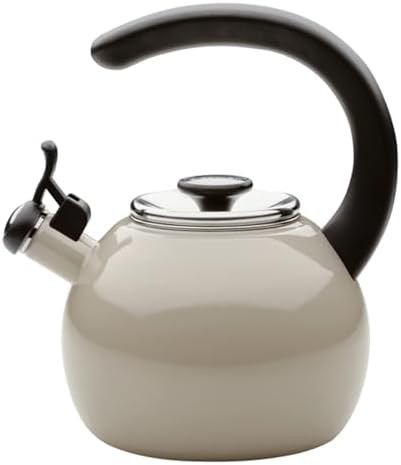 8.9
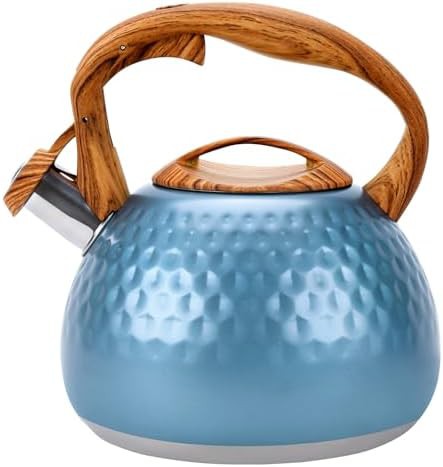 8.9
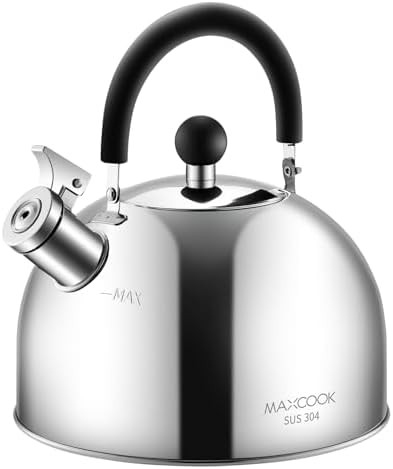 8.9
Stainless steel Large Induction For gas stoves
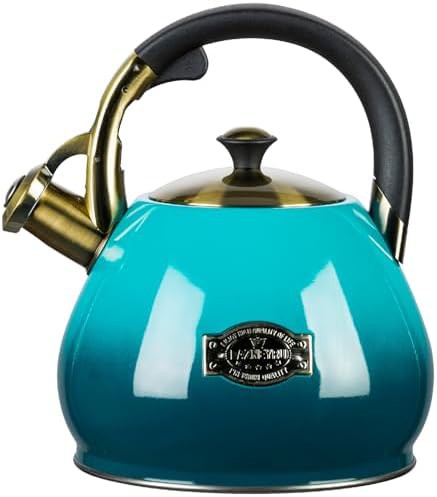 8.9
 8.8
 8.8
Brown Stainless steel Medium With folding handles White
 8.8
 8.8
 8.8
 8.8
Nylon Brown Stainless steel Medium Cool touch
 8.8
Black Stainless steel Small With folding handles
 8.8
Brown Stainless steel Medium Silver With folding handles
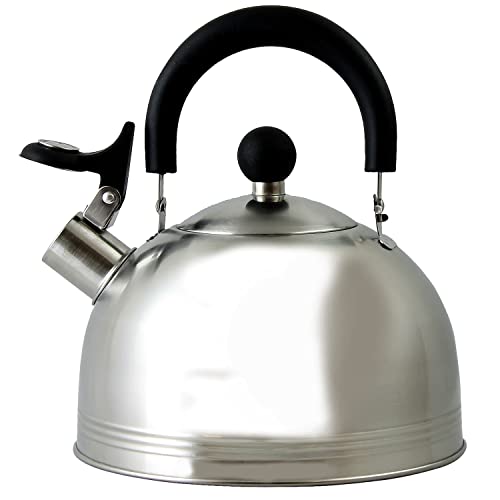 8.7
Budget Electric stoves Gas stoves Stainless steel
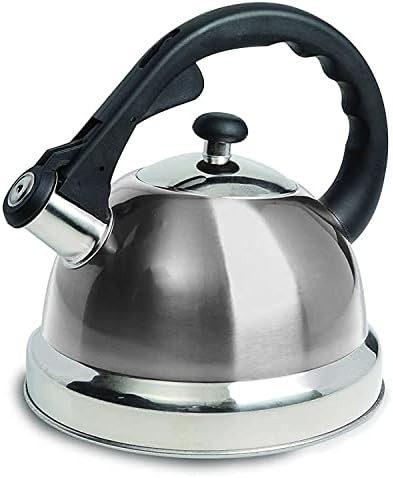 8.7
Brown Stainless steel Medium Cool touch
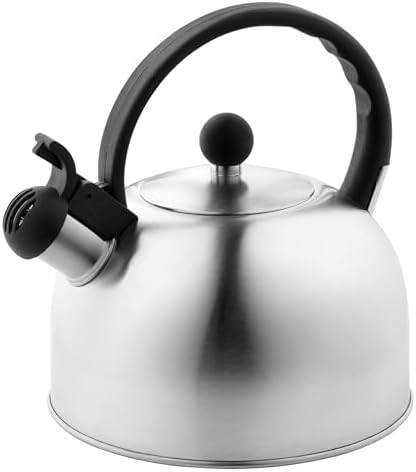 8.7
Stainless steel Large Budget Silver With wood handles
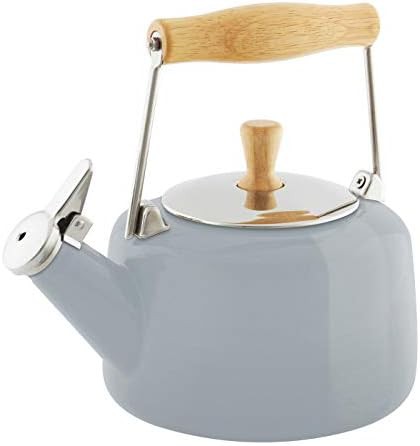 8.7
 8.7
 8.7
 8.7
 8.7
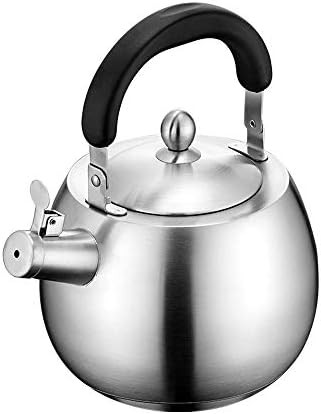 8.7
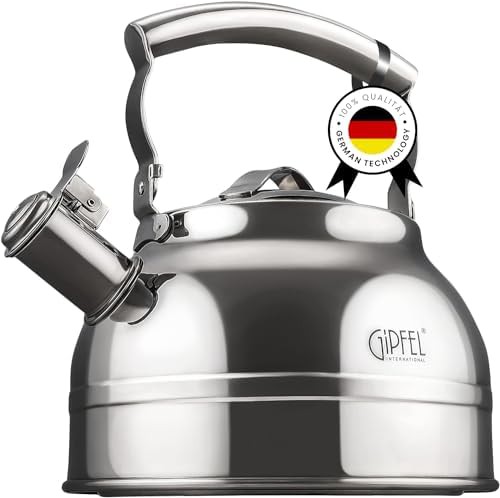 8.7
Stainless steel Medium Induction For gas stoves For electric stoves
The most common cause is a loose or bent spout cap. If steam escapes around the cap instead of through the whistle opening, no sound is made. Check that the cap sits flat and the whistle hole is not blocked by mineral buildup.
Enamel on carbon steel and stainless steel kettles both work on glass-top stoves if the base is flat. A warped or rounded bottom will not heat evenly. Check the base of the specific kettle before buying.
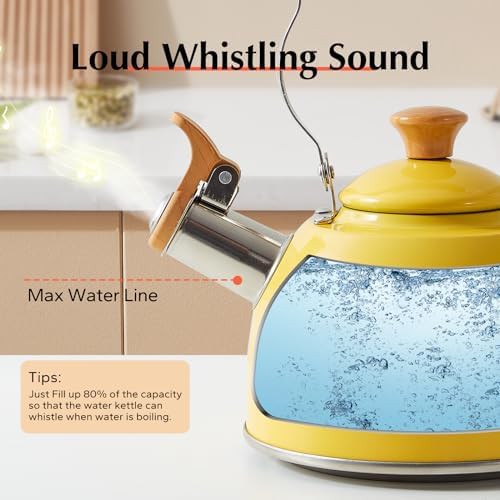
The whistle sounds when steam builds enough pressure to force its way through the cap. That happens at or near a rolling boil. It is not adjustable and does not indicate a specific temperature other than boiling.
Wash the inside with warm water and mild soap, then rinse. For mineral buildup, boil a mix of water and white vinegar in the kettle. Do not put an enamel or wood-handled kettle in the dishwasher.
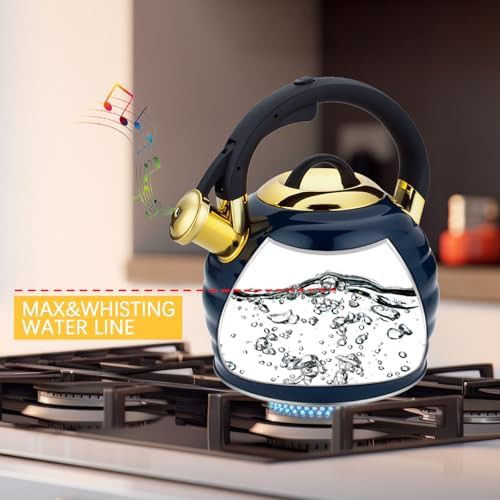
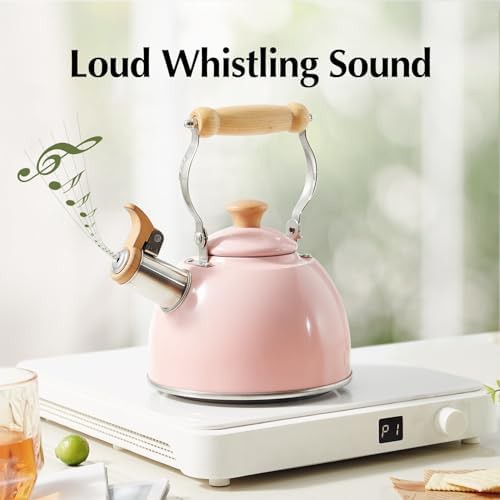
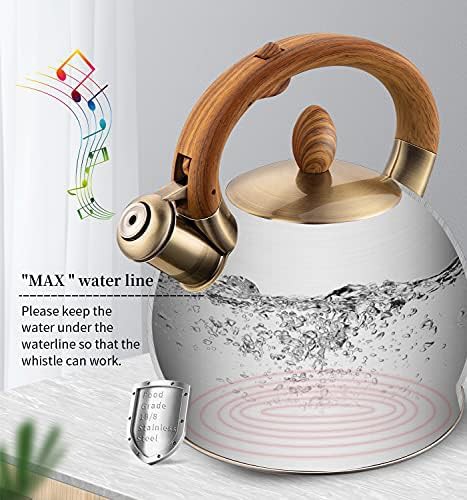
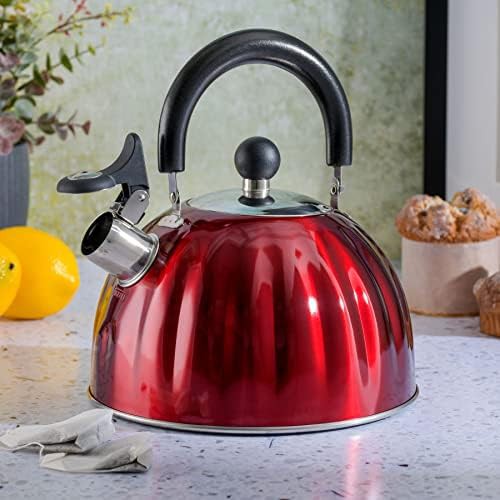
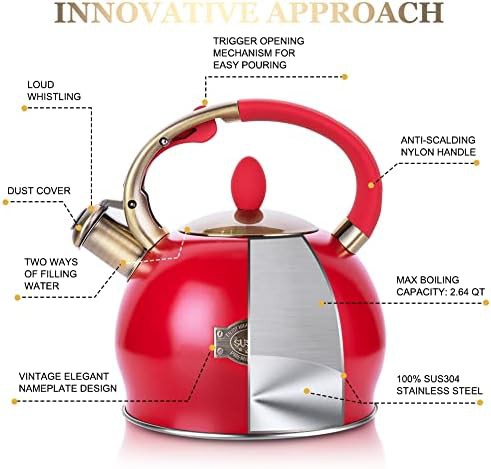
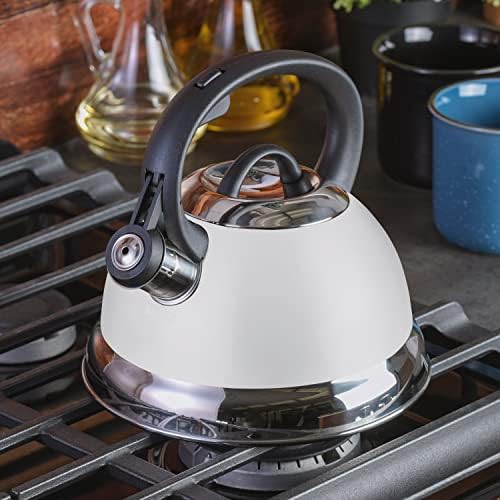
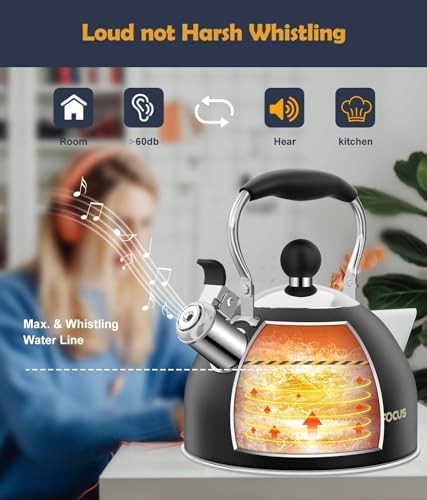
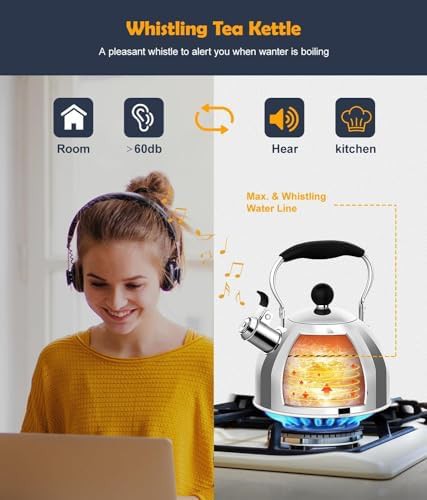
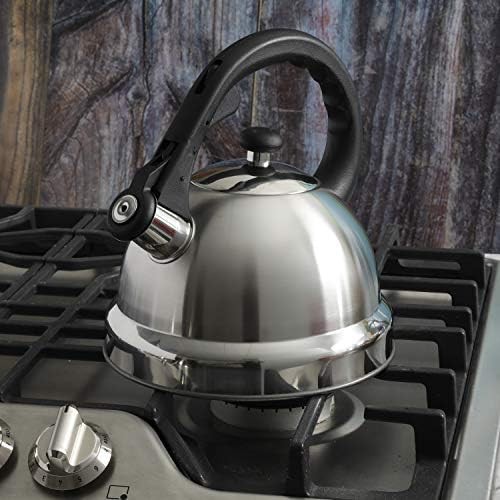
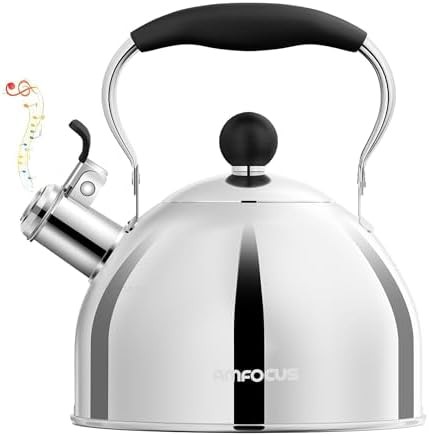
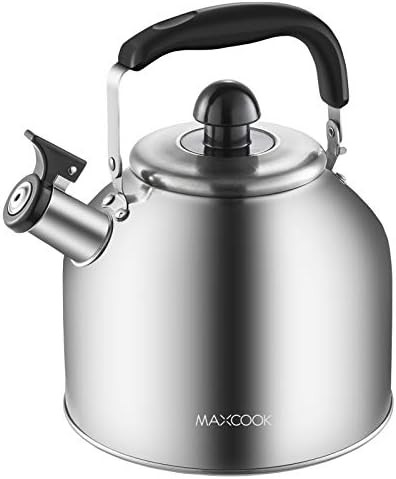
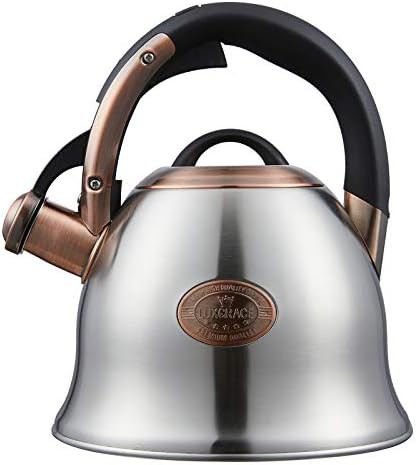
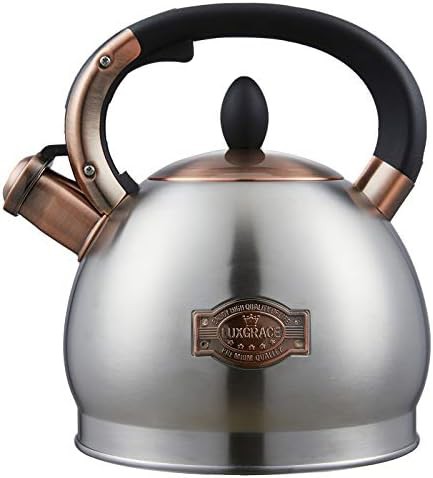
A whistling kettle has a cap over the spout that traps steam until pressure builds. When the water boils, the steam forces its way out through a small opening and makes a whistle. You hear it from another room, which is the main reason people choose this type over a plain kettle. The whistle stops when you lift the cap or pour.
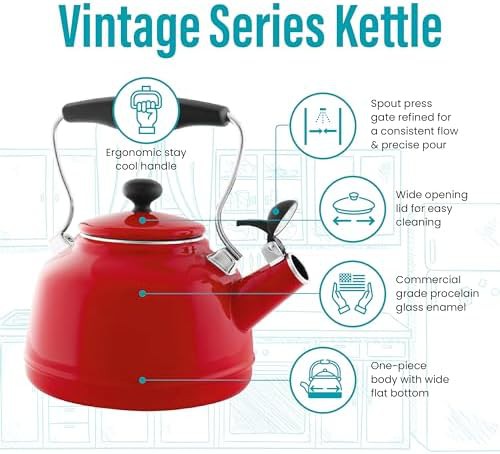
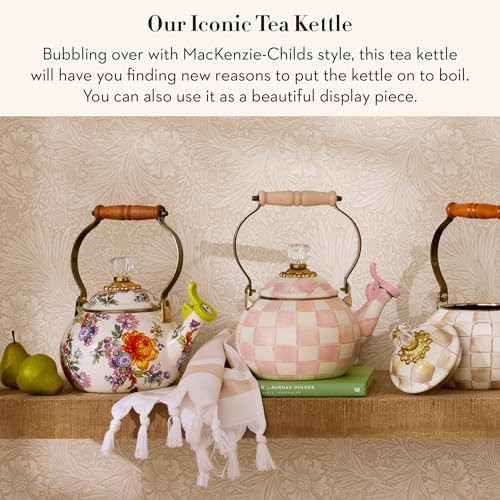
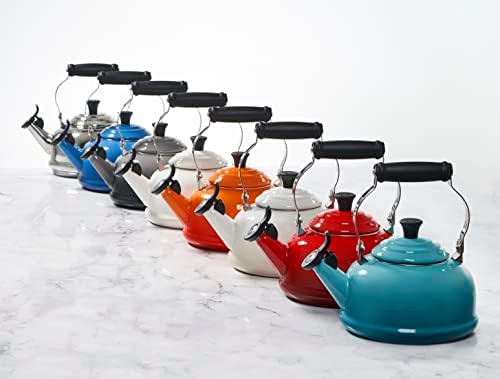
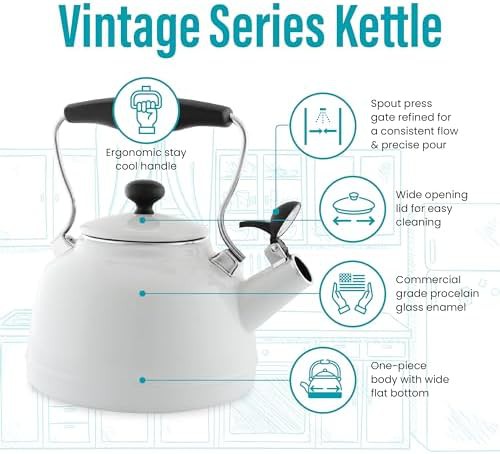
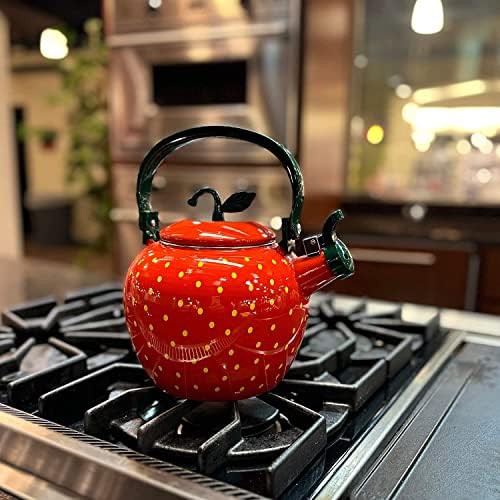
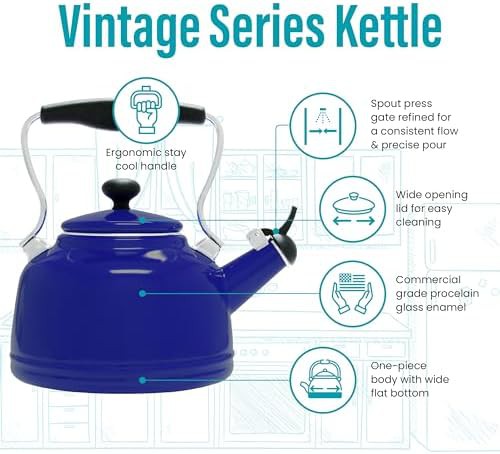
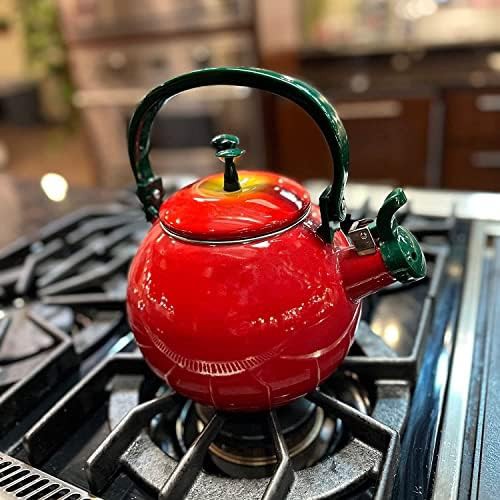
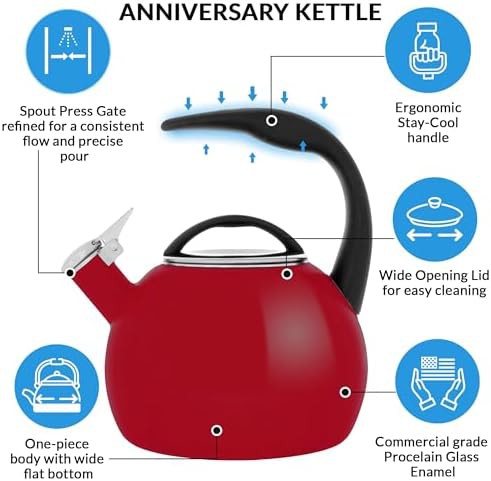
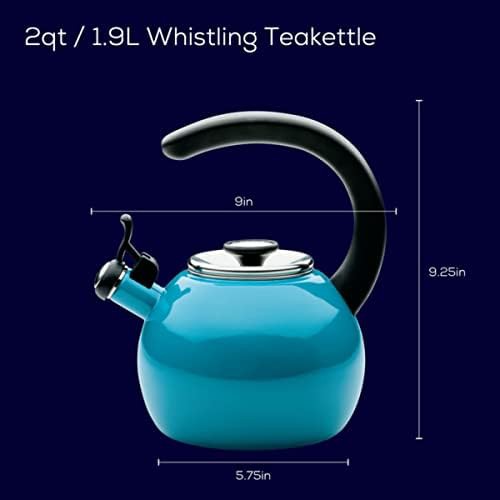
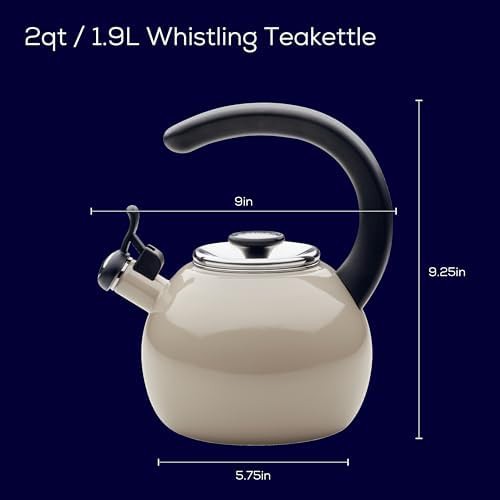
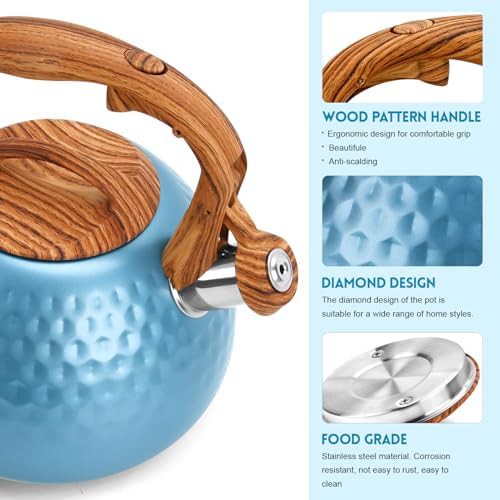
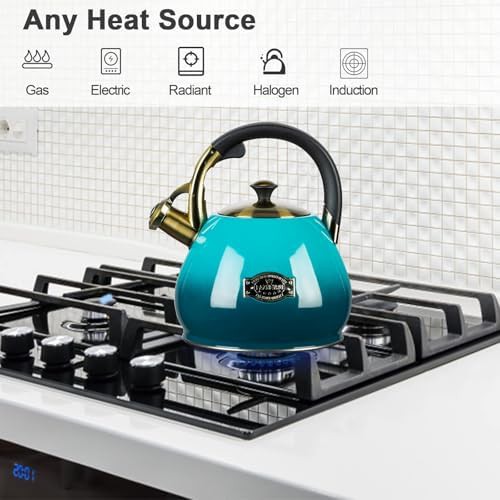
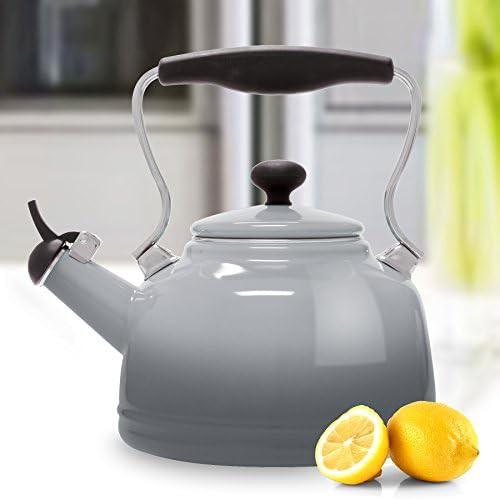
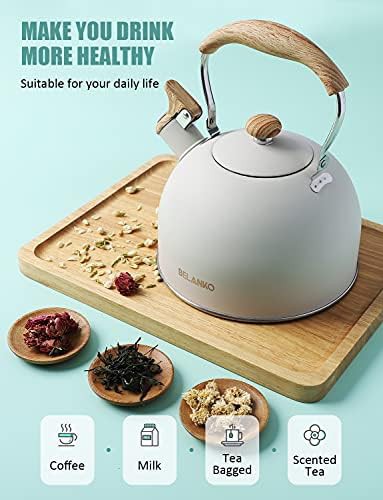
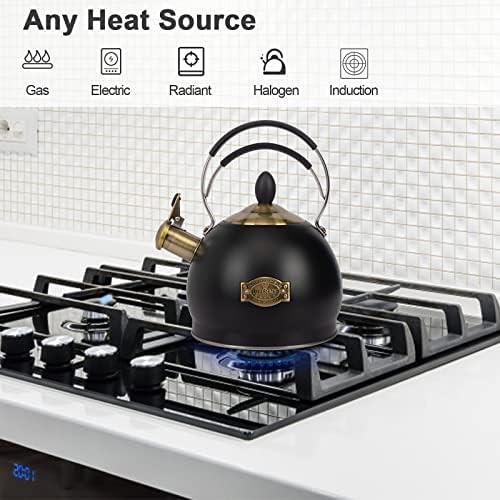
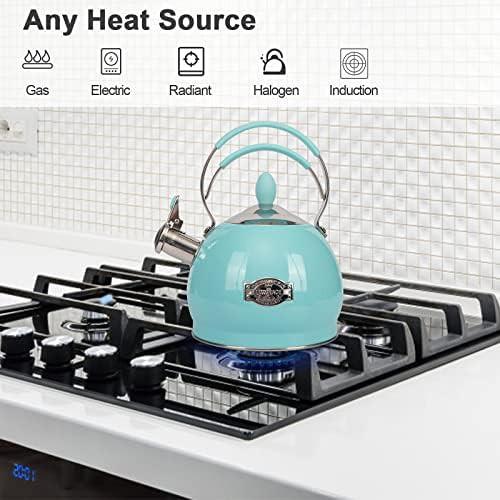
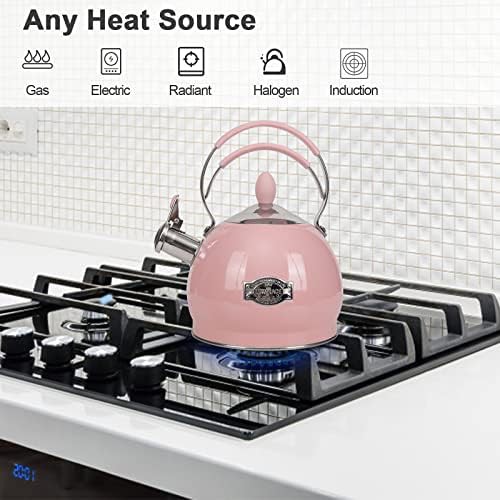
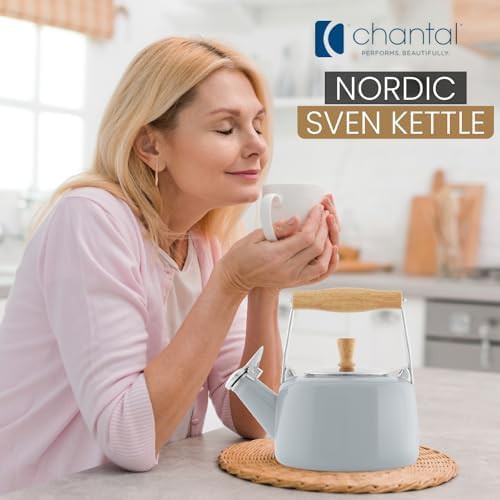
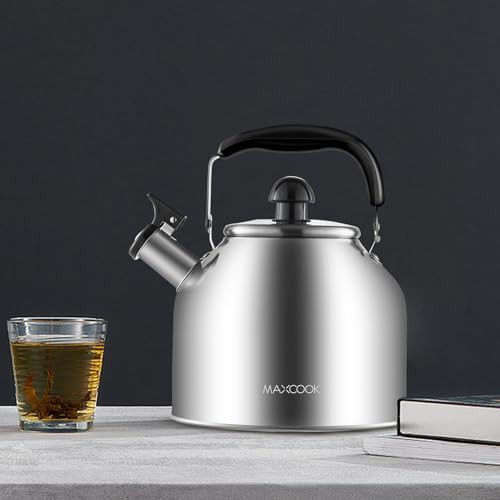
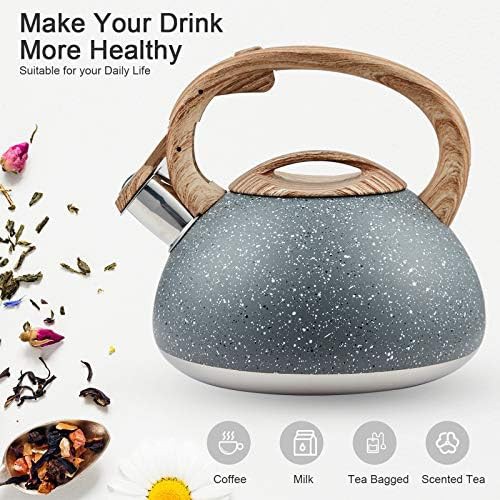
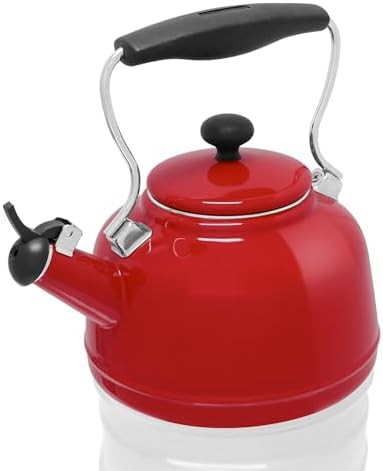
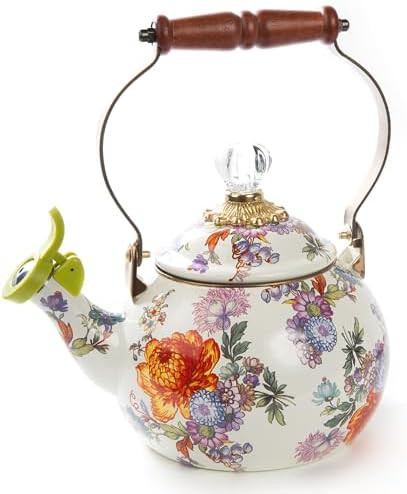
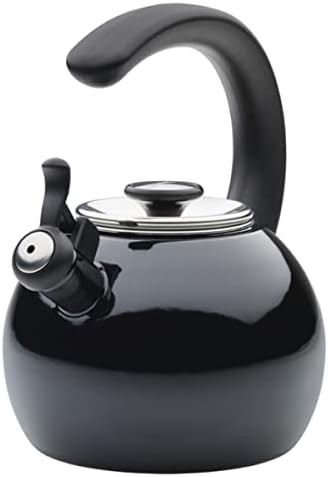
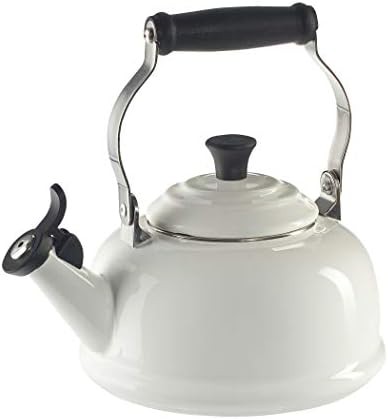
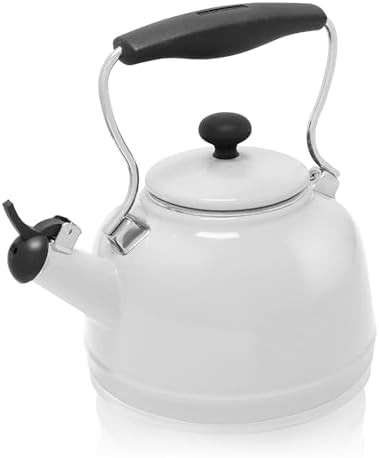
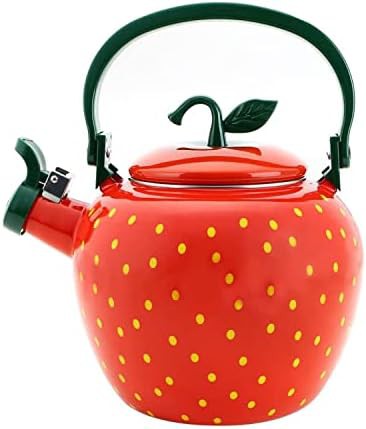
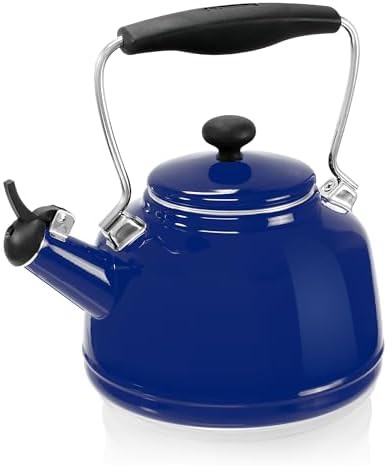
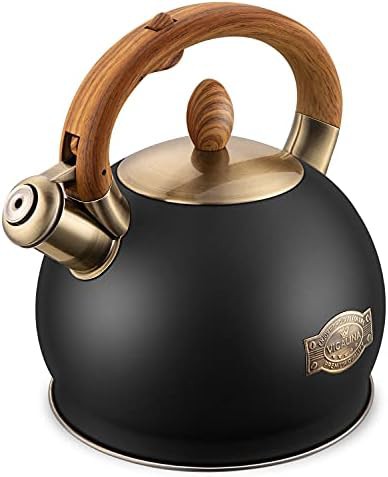
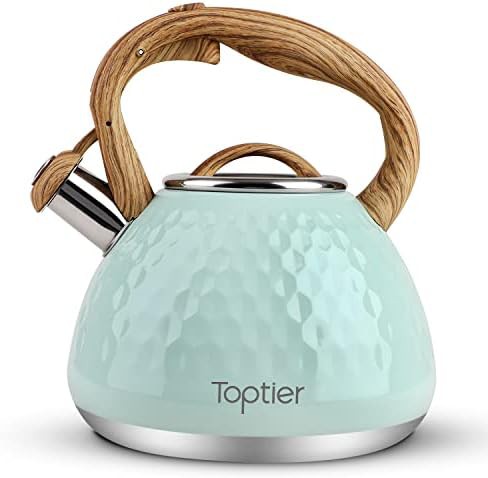
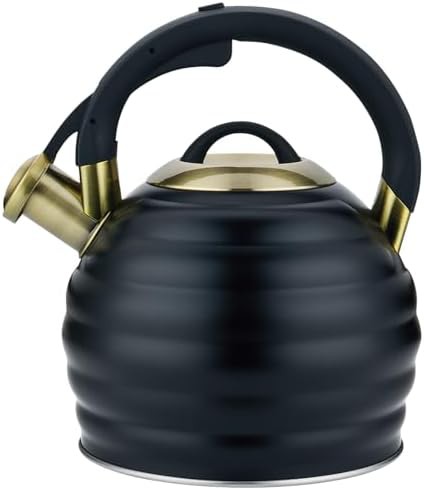
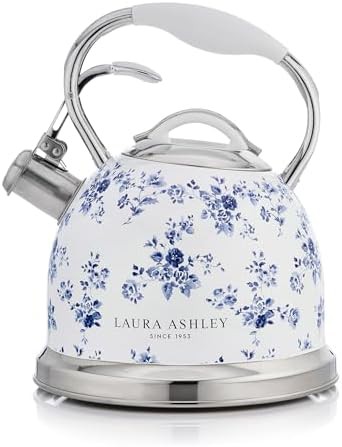
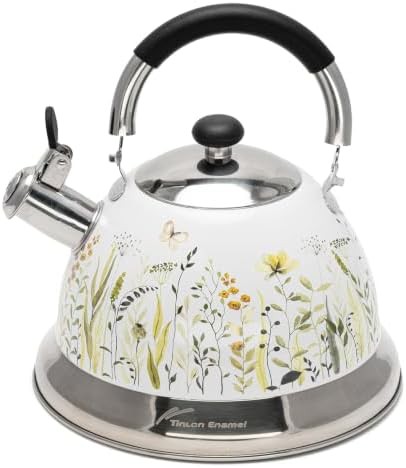
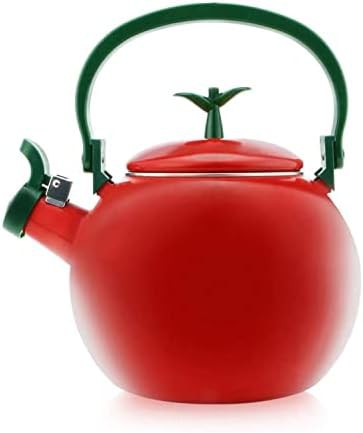
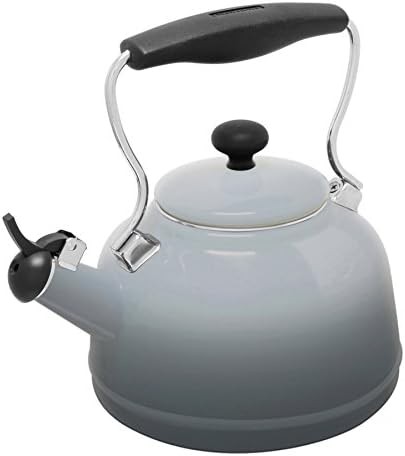
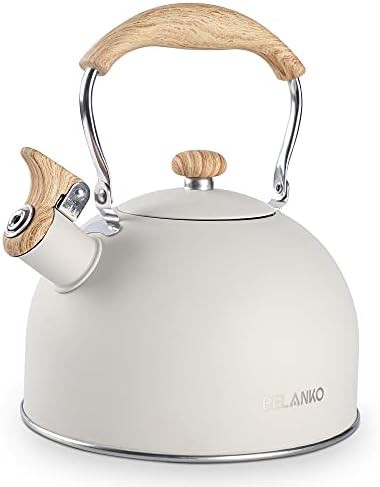
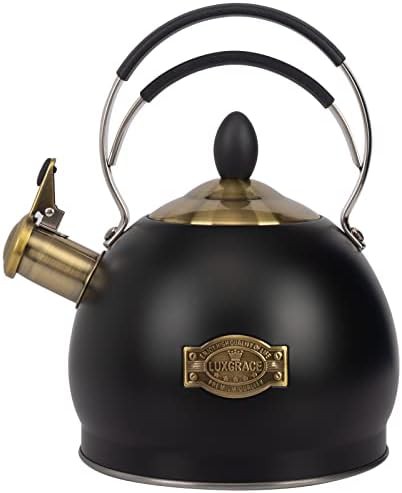
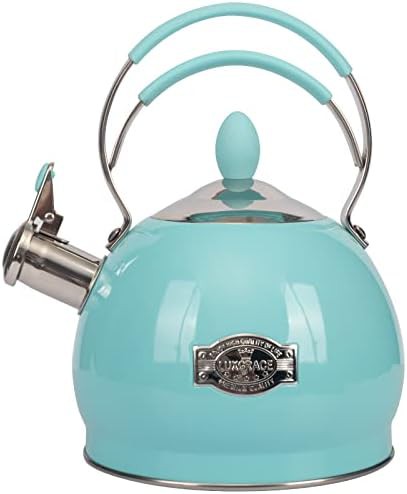
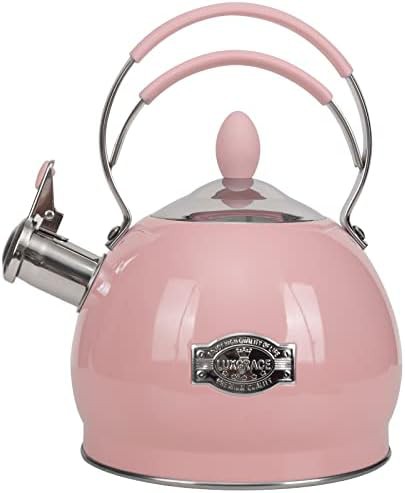
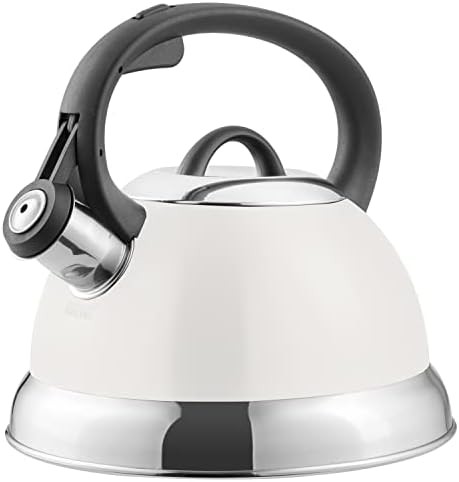
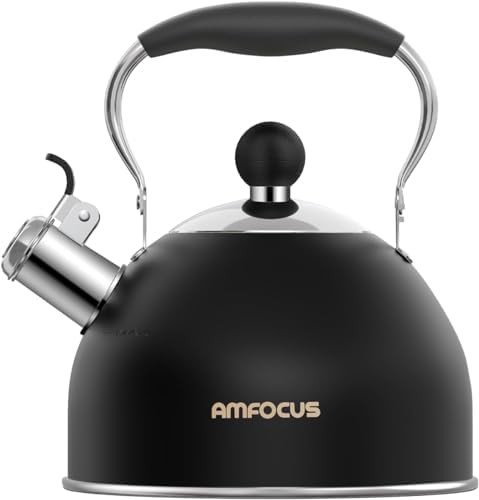
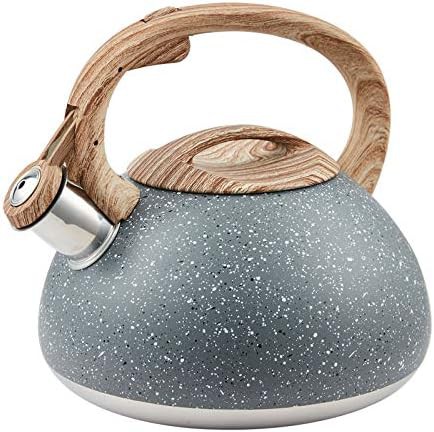
Most of these kettles are made of enamel on carbon steel. The enamel coating comes in solid colors and sometimes patterns. The samples show red, gray, blue, black, navy, green, brown, and white. A natural wood handle appears on some models, which stays cooler than a metal handle but needs to be kept dry.
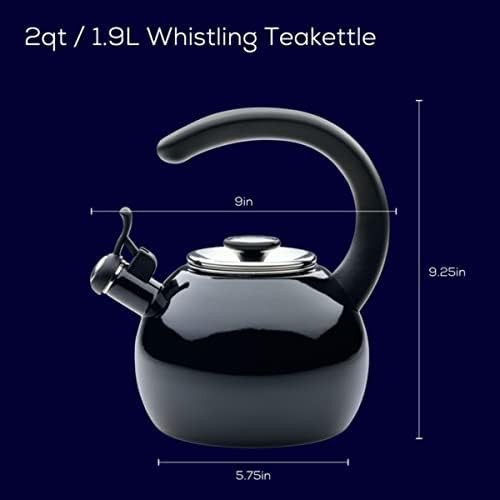
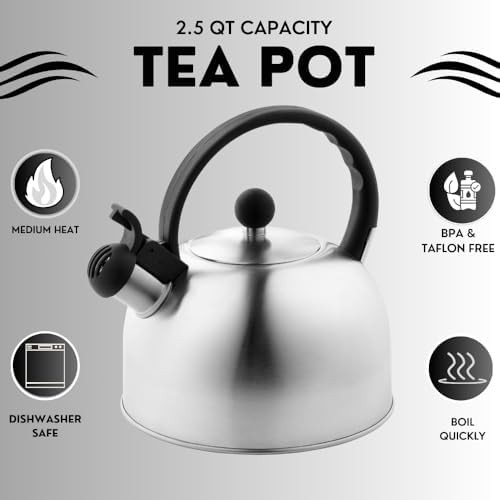
Capacities run from small to large. The samples include: 1.4 quarts, 1.8 quarts, 2 quarts, 2.3l, 2.5l, 3l, 3.0l, 4l, 6l, 8l. A 1.4-quart kettle is enough for two or three cups. The 6l and 8l sizes are for large households or for filling a big pot.
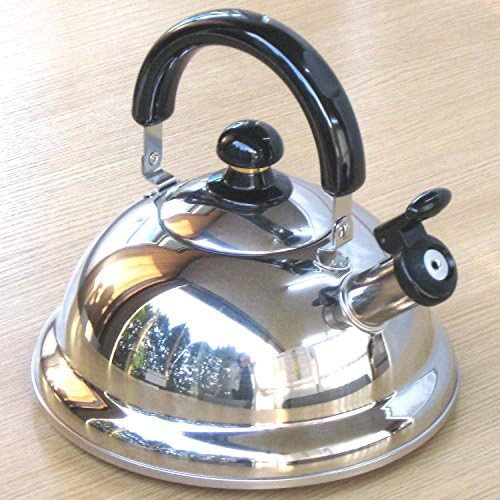
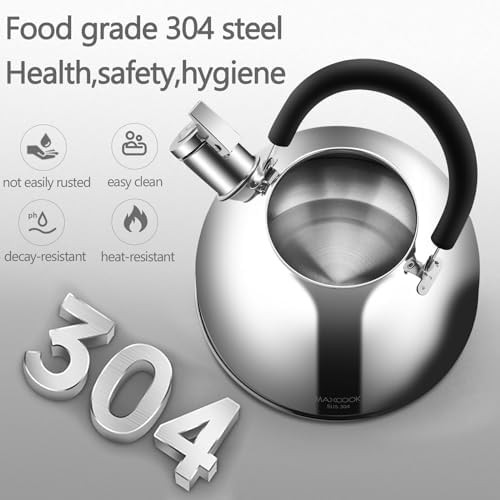
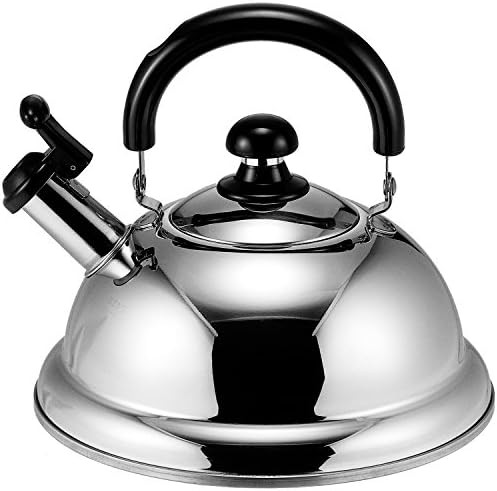
Enamel on carbon steel heats quickly and evenly. The tradeoff is that a hard knock can chip the enamel, and a chip exposes the carbon steel underneath, which can rust if left wet. Stainless steel whistling kettles avoid that chipping problem but usually cost more and weigh more. Both types work on a stovetop; the whistle mechanism is the same.