Select Heat Source
Determine if you need a stovetop kettle for a range or a plug-in electric model for the counter. Check for induction compatibility if using a magnetic cooktop.
Brand pages and collection slices for Tea kettles.
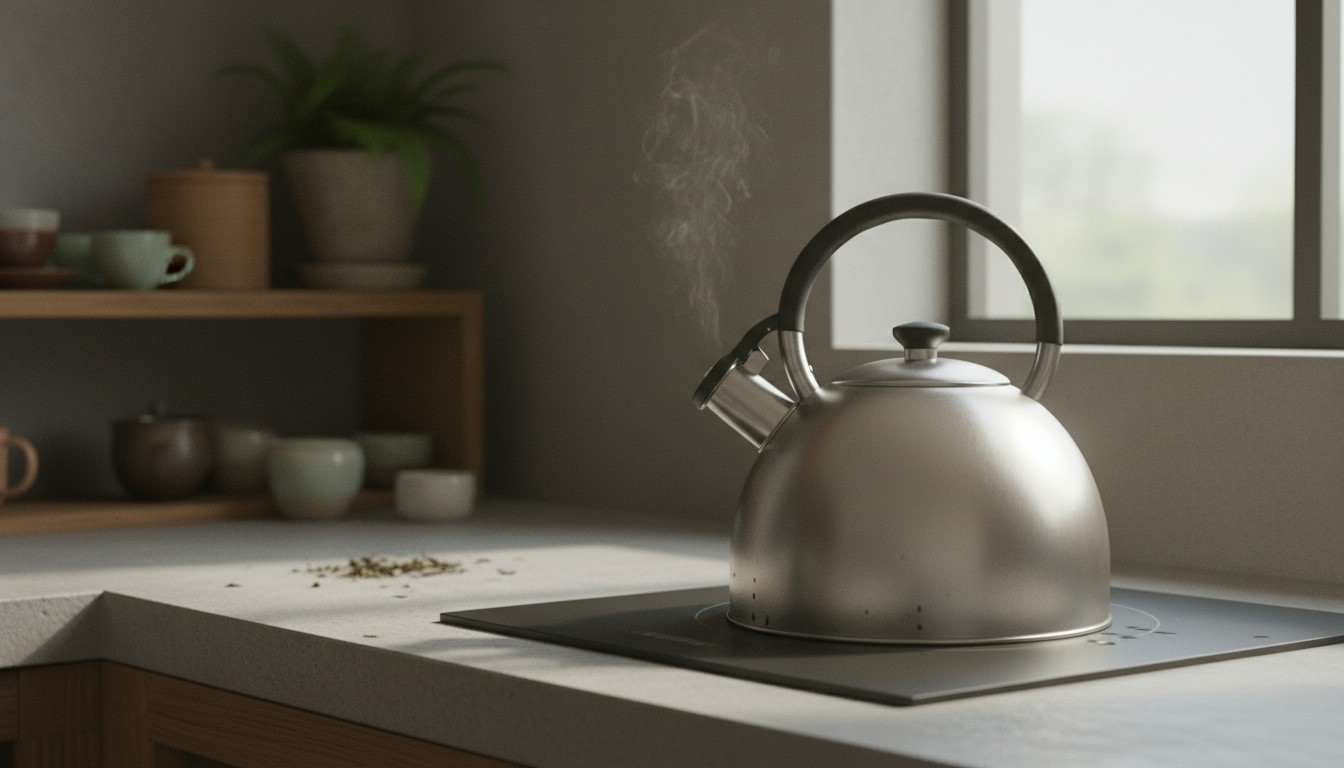
We categorize kettles by material, capacity, and heat source compatibility to help you find a precise match.
Browse popular configurations for daily brewing and specialized tea preparation.
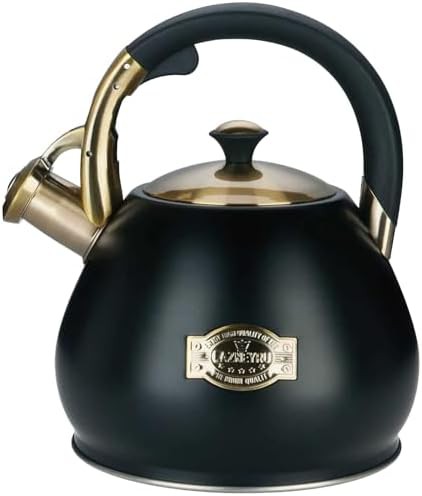
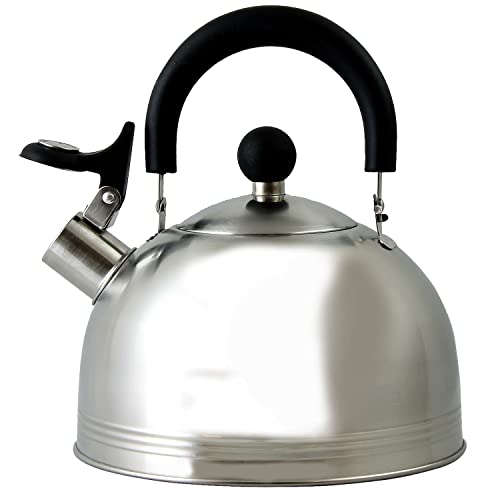
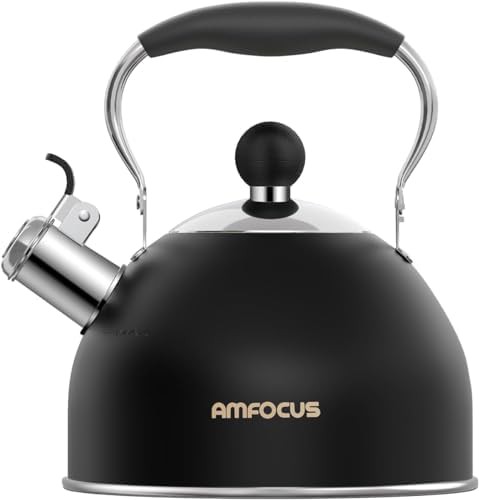
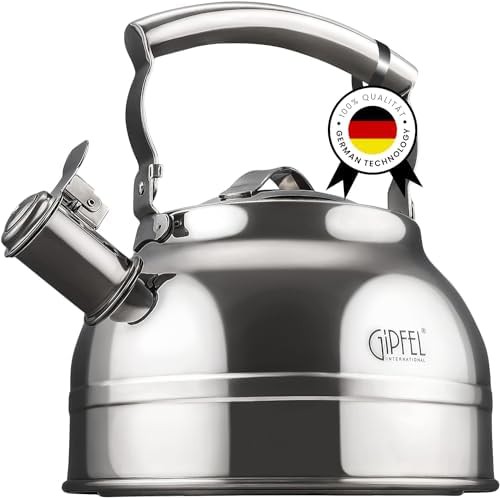
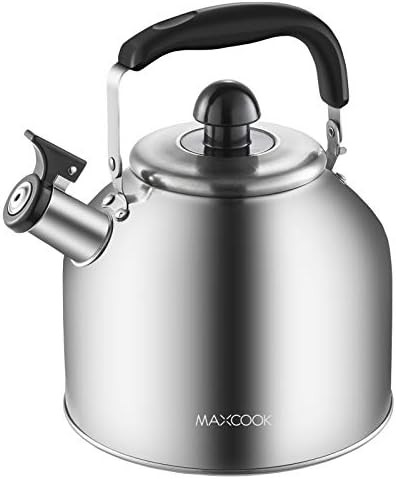
These stainless steel stovetop kettles provide high-capacity water heating for families and large groups. The integrated whistling feature signals when your water reaches a boil
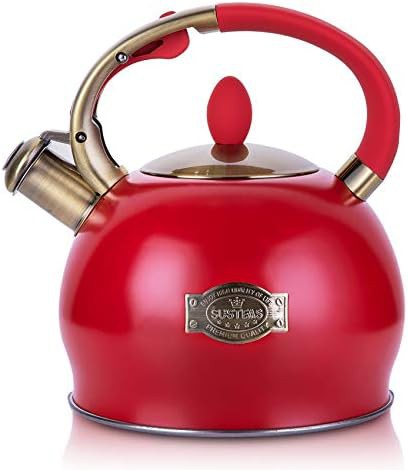
SUSTEAS produces vintage-style whistling kettles made from food-grade steel for safe and stylish stovetop brewing. These high-capacity pots feature cool-touch technology for comfortable daily use
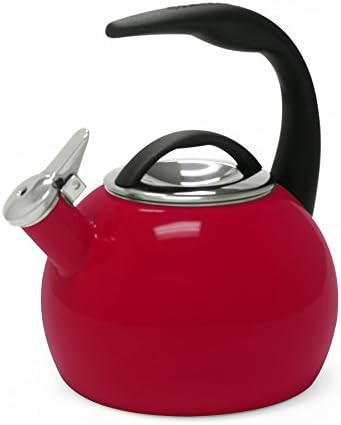
Chantal produces vibrant enamel-on-steel kettles that combine modern aesthetics with a classic whistling alert. These 2 Quart models bring bold color and reliable performance to the stovetop
Access our complete list of to compare specs and features.
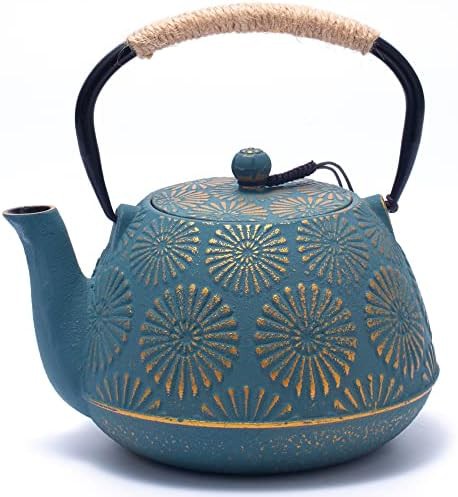 9.1
9.1
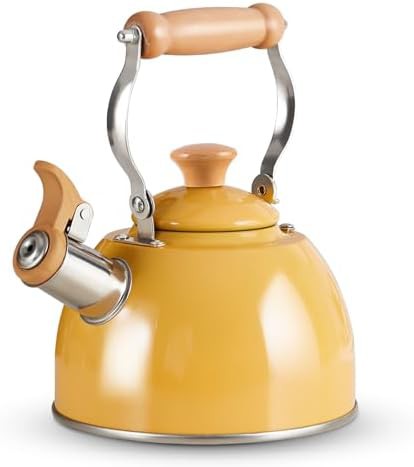 9.1
9.1
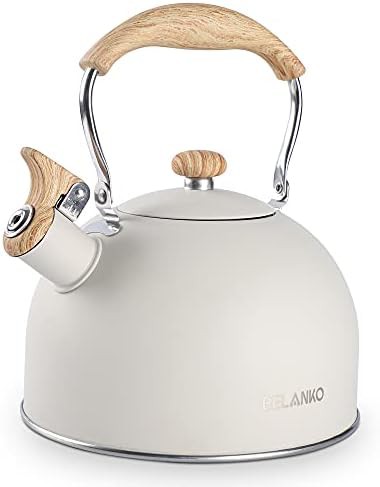 9.0
9.0
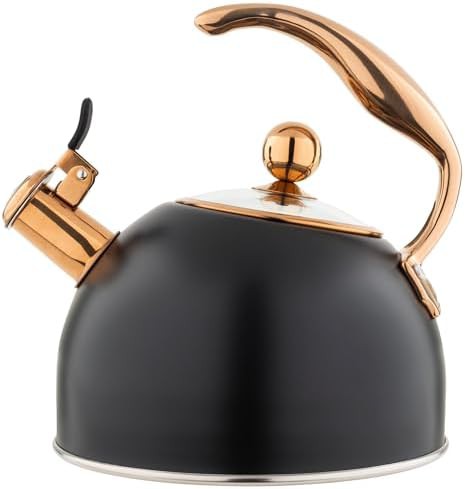 9.0
9.0
 8.9
8.9
8.9
8.9
 8.9
8.9
 8.7
8.7
 8.7
8.7
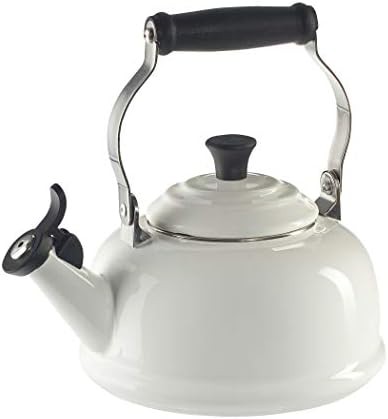 8.6
8.6
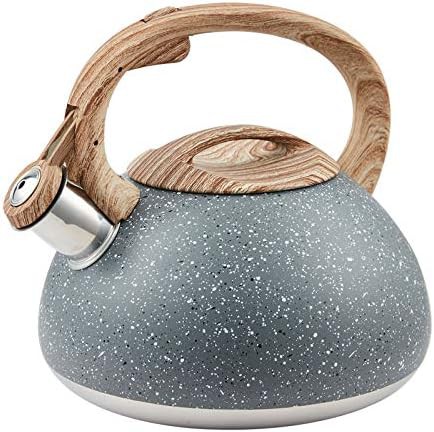 8.6
8.6
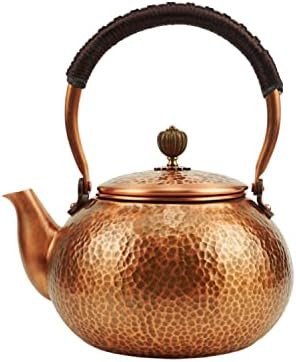 8.4
8.4
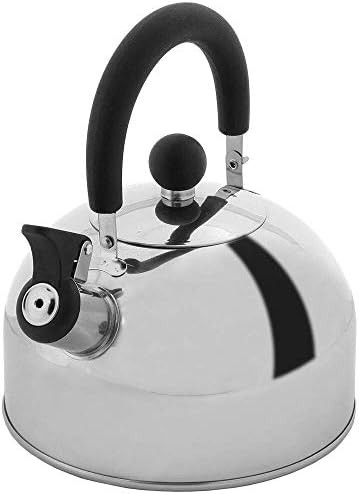 8.3
8.3
8.3
8.3
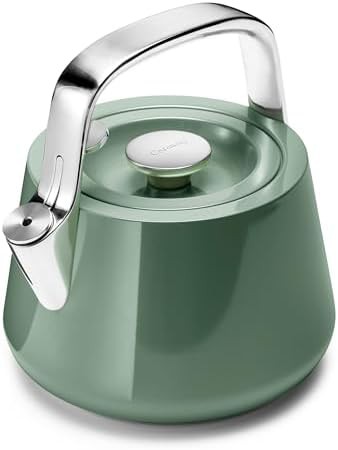 8.1
8.1
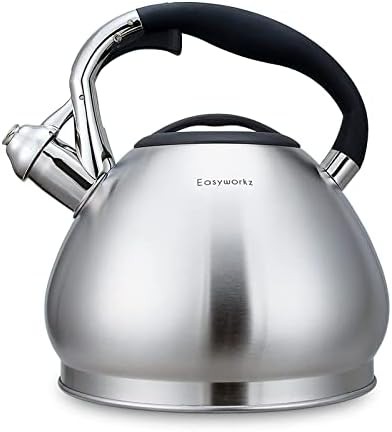 8.1
8.0
8.1
8.0
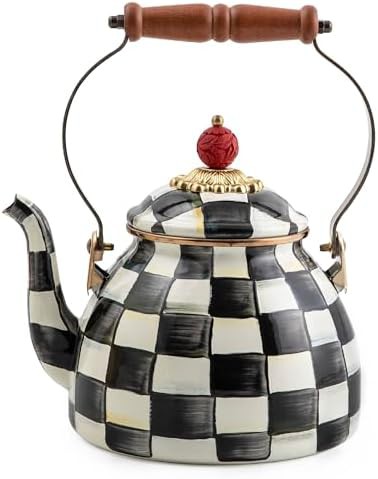 7.9
7.9
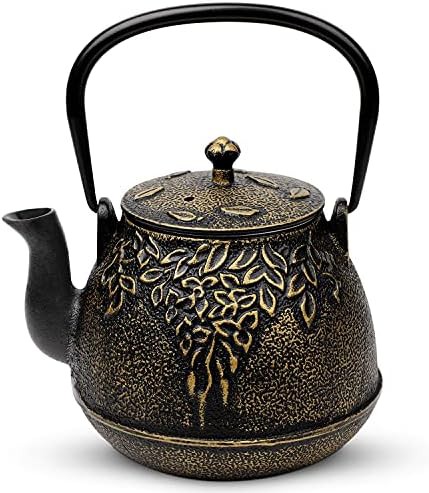 7.8
7.8
 7.7
7.7
 7.7
7.7
 7.6
7.6
 7.5
7.5
 7.3
7.3
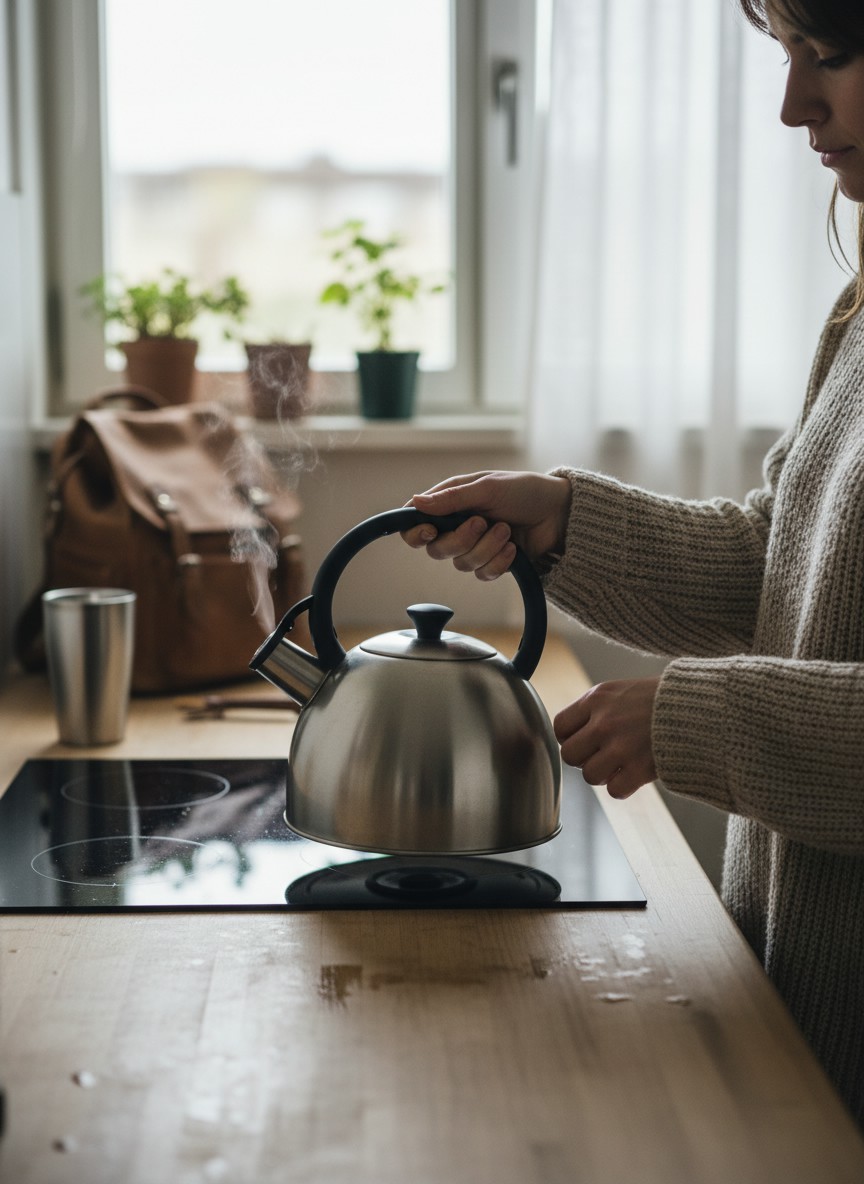
Determine if you need a stovetop kettle for a range or a plug-in electric model for the counter. Check for induction compatibility if using a magnetic cooktop.
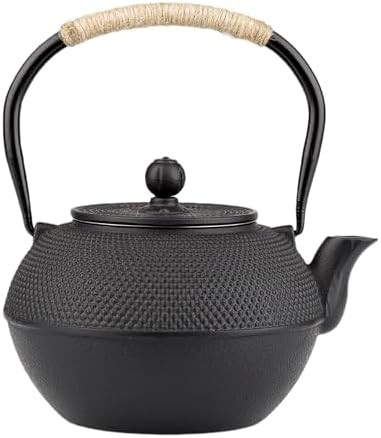
Match the volume to your daily needs. A 2 qt kettle is standard for families, while small cast iron models suit single servings.
Look for whistling alerts to signal boiling or gooseneck spouts for precision pouring. Built-in infusers are available for brewing loose leaf tea directly.
Look for kettles specifically labeled as induction compatible with magnetic bases. Stainless steel and enamel-on-steel models often work, while glass and some copper units do not.
The slender, curved spout provides a slow and steady water flow. This is essential for pour-over coffee and delicate tea brewing where precision matters.
Steam pressure builds up inside the kettle as water reaches a boil. This pressure forces air through a small opening in the spout cap to create an audible alert.
Electric kettles typically boil water faster because the heating element is in direct contact with the liquid. They also offer safety features like auto shut-off once the boiling point is reached.