 9.4
Tea kettles / Blue
This set
Blue Tea Kettles
Last refresh 2026-10-22
Calming navy, teal, and gradient blue finishes for your stovetop 21 kettles · 17 brands
Stainless steel
Large
Whistling
Medium
Induction
Budget
Brown
Enamel
For gas stoves
Electric
Black
Gooseneck
Vintage
For electric stoves
Glass
With infusers
Cool touch
Copper
Silver
Small
With wood handles
Modern
Cast iron
Japanese
Floral
With folding handles
White
Blue
Camping
Red
With thermometers
Green
Hammered
For office use
Ceramic
Gray
Nylon
For women
Best Blue Tea Kettles
9.4
 9.1
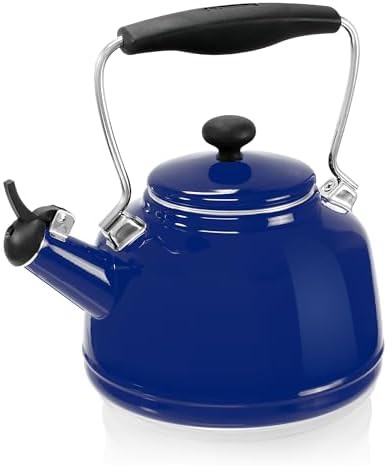 9.1
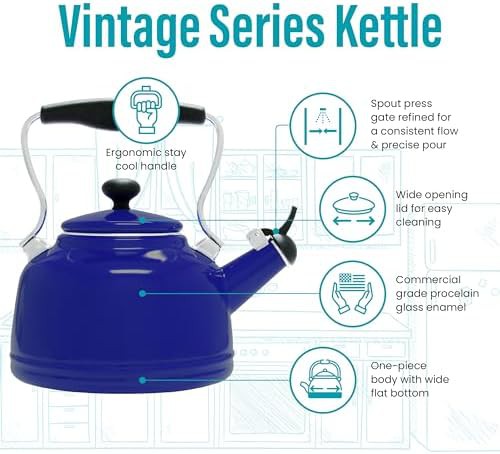
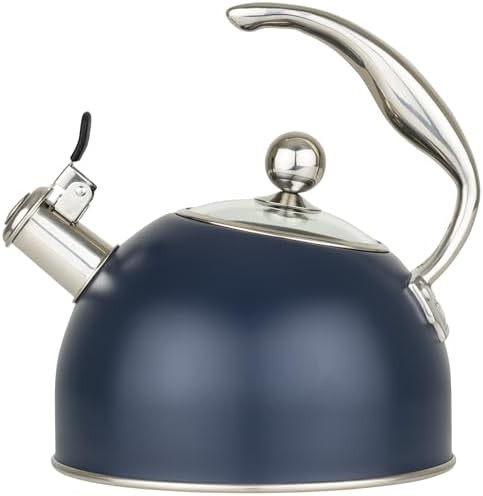 9.1
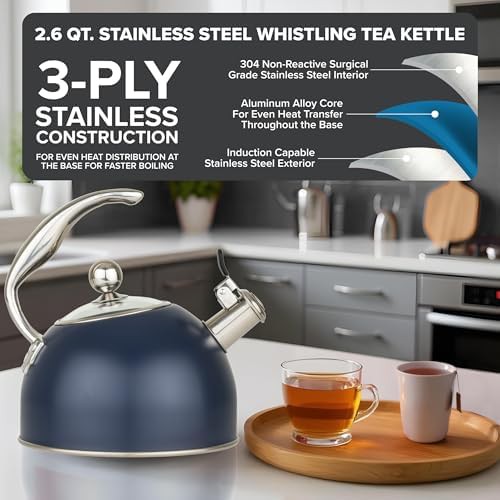
 9.0
MILVBUSISS
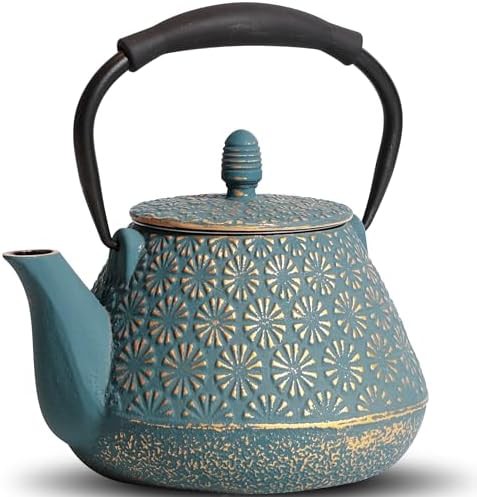
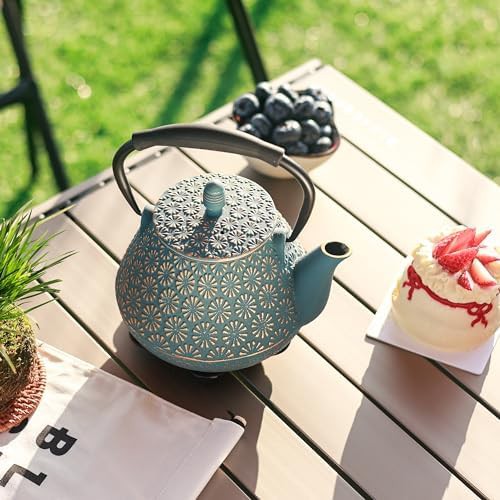
Blue Sakura Blossom Cast Iron Teapot 950ml
$32.99
Brown Medium Enamel With infusers Cast iron Japanese
 8.9
 8.9
 8.6
Lily's Home
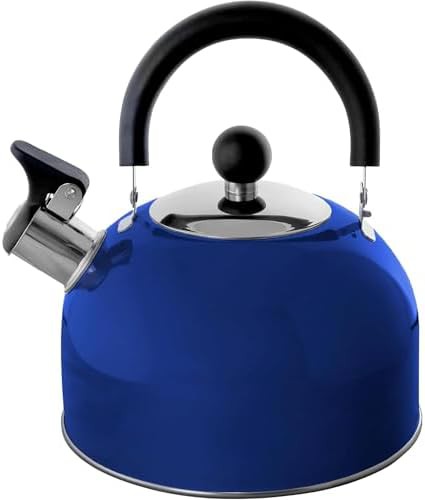
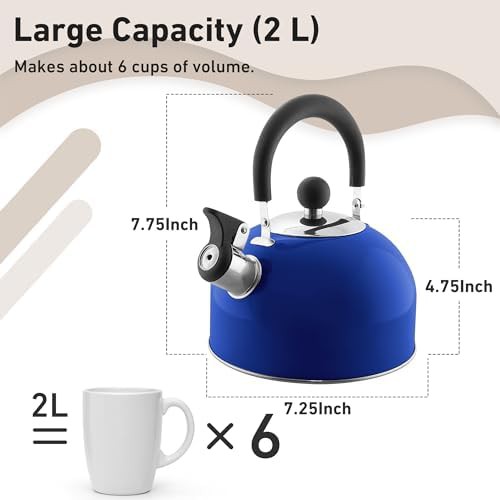
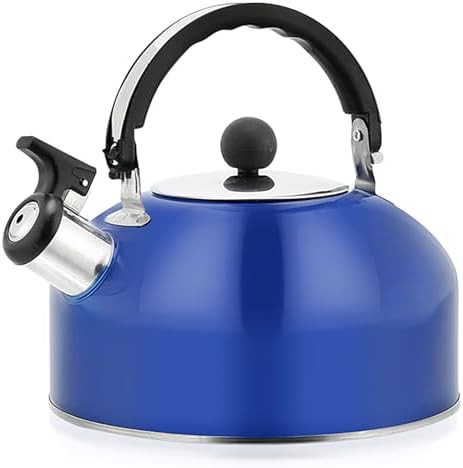
Blue Stainless Steel Whistling Tea Kettle
$21.99
Stainless steel Whistling Medium Induction Budget
 8.6
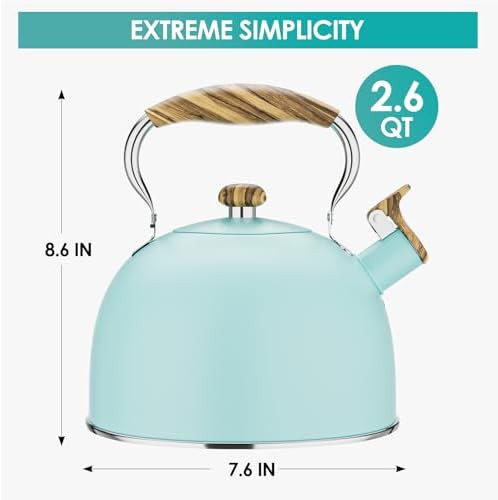
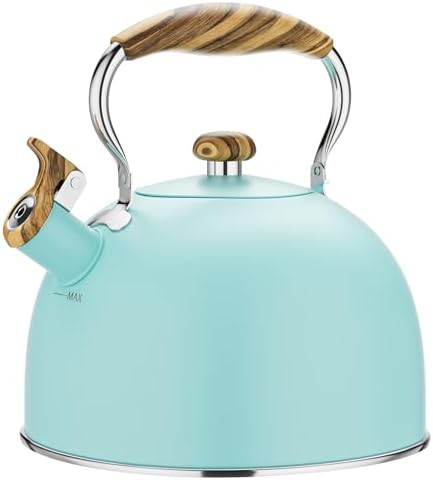
Chefbar
Blue stainless whistling stovetop kettle
$22.99
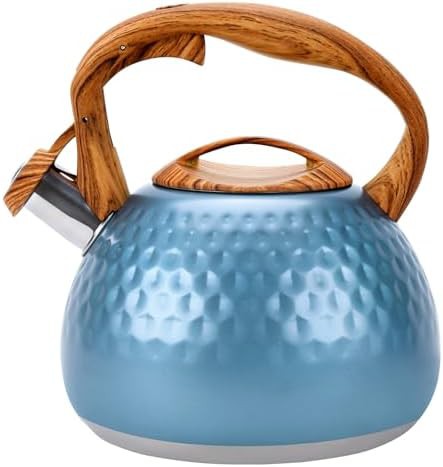
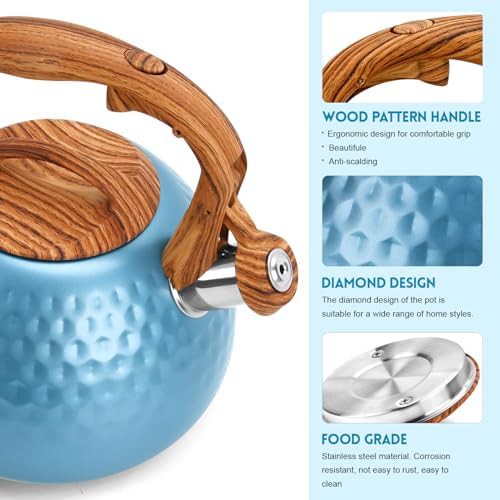
Stainless steel Whistling Large Budget With wood handles
 8.4
 7.8
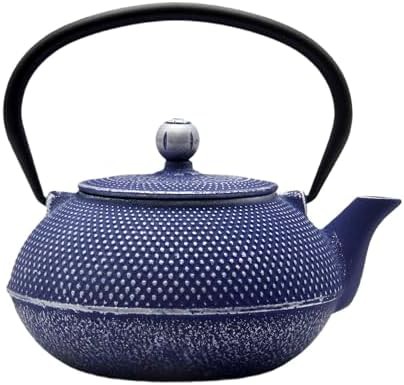
SECHUDO
Dark blue Japanese cast iron tea kettle
$37.98
Stainless steel Medium Enamel With infusers Cast iron
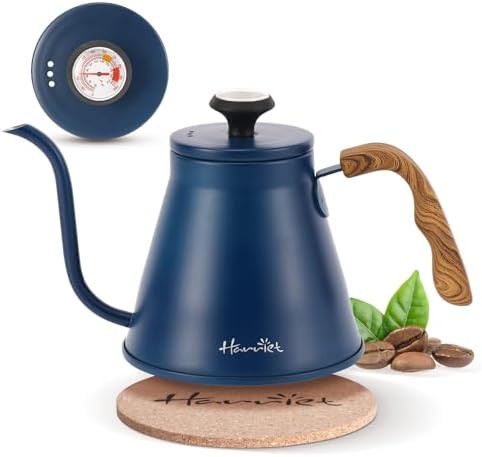
harriet
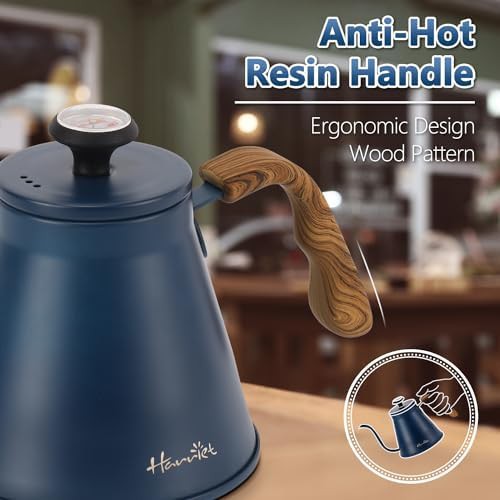
Blue stainless steel gooseneck kettle
$45.99
Brown Stainless steel Medium Induction For gas stoves Gooseneck
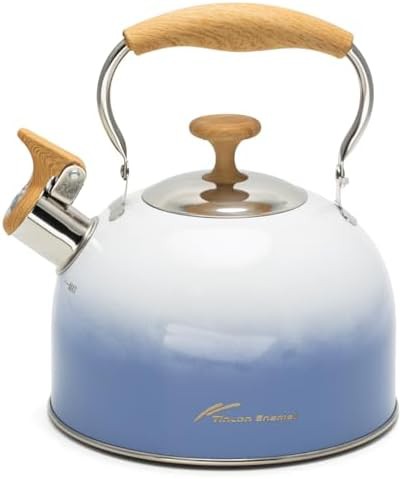
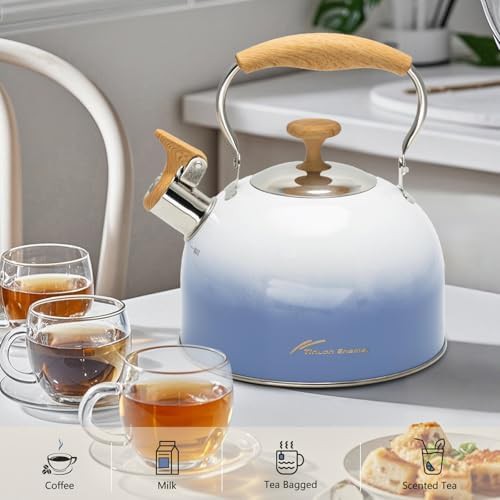
Tinlon Enamel
Gradient blue folding handle tea kettle 2.5 Quart
$27.99
Brown Stainless steel Large Floral With folding handles
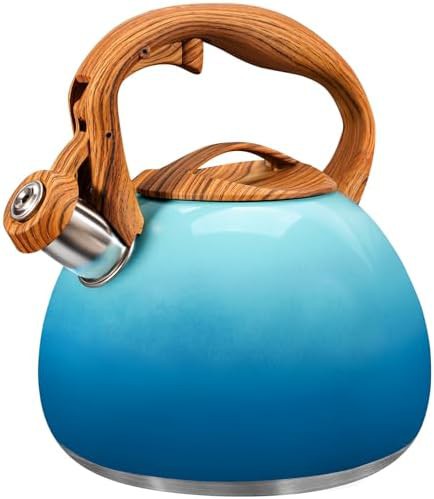
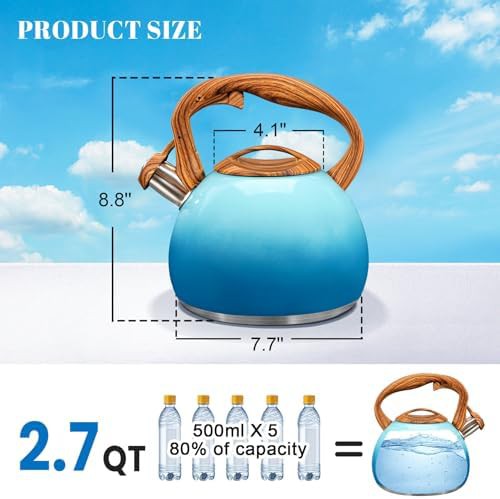
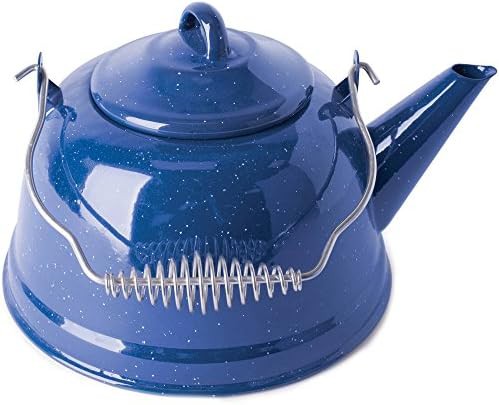
PRETYZOOM
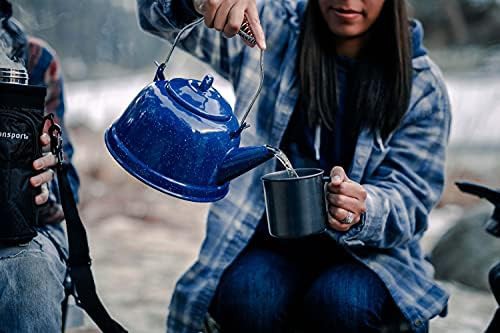
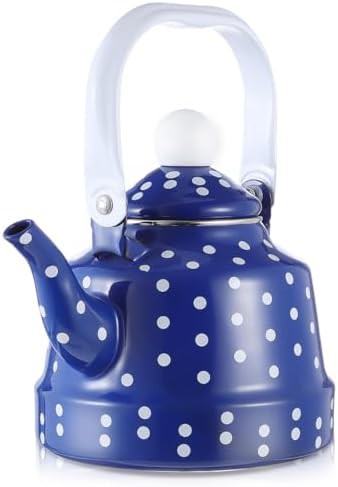
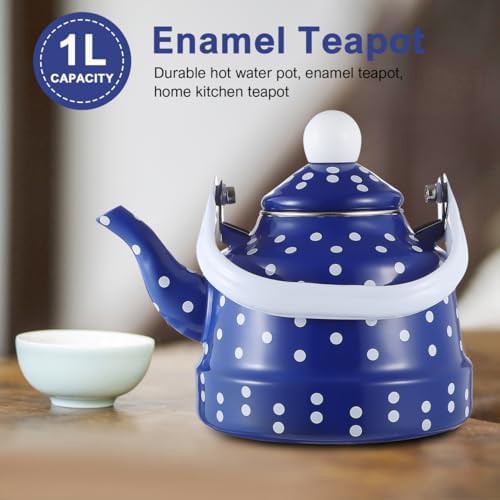
Blue and white dots enamel tea kettle
$18.89
Induction Budget Enamel For gas stoves Vintage
 7.8
Questions
Blue kettle questions
Does a blue enamel kettle chip easily?
Enamel on steel can chip at the rim, spout, and base if it hits a grate or gets dropped. Chips expose the steel underneath, which can rust over time. Hand washing and avoiding metal utensils inside the kettle helps it last.
Will a navy or cobalt kettle show water spots?
Dark blue finishes hide hard-water scale better than light teal, but gloss enamel still shows dried droplets on the body. A quick wipe after pouring keeps the surface even. Teal and turquoise show mineral film fastest.
Is a blue gooseneck kettle different from a blue whistling kettle?
Yes. A gooseneck has a narrow curved spout for slow, controlled pouring and often includes a thermometer, which suits pour-over coffee and tea. A whistling kettle has a wider spout and a whistle that sounds at a boil, which suits filling teapots and mugs.
Can a blue cast iron kettle go on any stovetop?
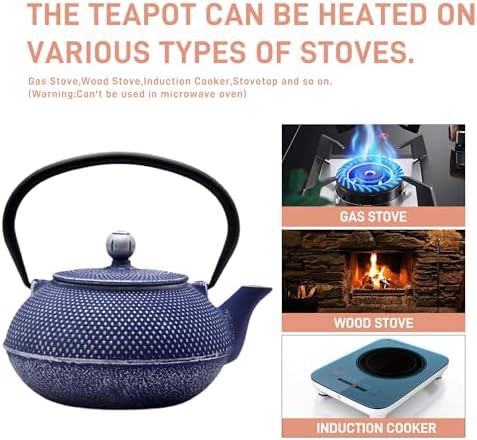
Cast iron tetsubin-style kettles with an enameled interior are made for stovetop use, but the enamel coating means you should avoid high heat and never let it boil dry. Check the base diameter against your burner so the pot sits flat.
What a blue finish changes at the stove
A blue kettle is mostly a look decision, but the finish type changes how it wears. Enamel on steel in cobalt, navy, or teal holds color well and wipes clean, though it can chip at the rim or spout if knocked against a burner grate. Bare stainless with a blue coating or a blue-tinted body shows water spots and fingerprint smudges more than plain steel, so it needs a wipe after each pour.
Color also affects how easy the kettle is to read in a dim kitchen. Navy and dark blue bodies hide scorch marks and hard-water scale better than light teal, which shows mineral film quickly. A teal or turquoise enamel tends to look brighter under warm light, while cobalt reads closer to black in low light.
Forms and sizes that carry blue well
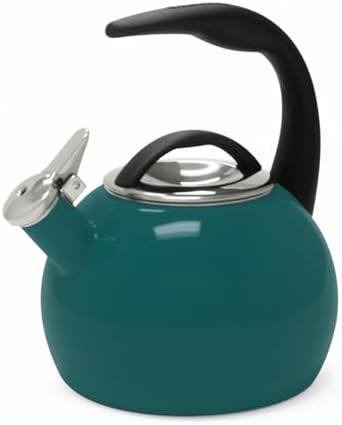
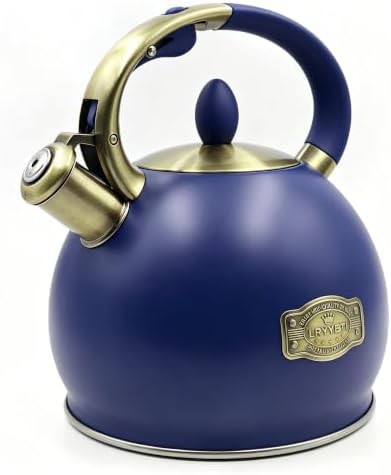
Blue shows up across whistling stovetop kettles, gooseneck pour-over kettles, and cast iron tetsubin-style pots. Enamel on steel is the most common blue body, usually in 2 to 2.7 quart sizes with a whistling spout. Cast iron tetsubin with an enameled interior runs smaller, around 900ml, and suits loose tea with an infuser. Gooseneck kettles in blue tend to be around 37 fl oz with a thermometer in the lid for pour-over control. Larger blue kettles land near 3 to 3.2 quarts and are usually plain stainless with a whistle.