 9.0
Tea kettles / Copper
This set
Copper Tea Kettles
Last refresh 2026-10-22
High-conductivity copper kettles prized for rapid heating and a classic aesthetic 38 kettles · 26 brands
Stainless steel
Large
Whistling
Medium
Induction
Budget
Brown
Enamel
For gas stoves
Electric
Black
Gooseneck
Vintage
For electric stoves
Glass
With infusers
Cool touch
Copper
Silver
Small
With wood handles
Modern
Cast iron
Japanese
Floral
With folding handles
White
Blue
Camping
Red
With thermometers
Green
Hammered
For office use
Ceramic
Gray
Nylon
For women
Best Copper Tea Kettles
9.0
 8.9
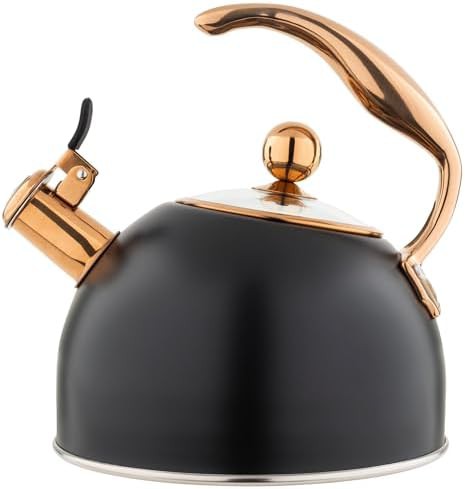 8.9
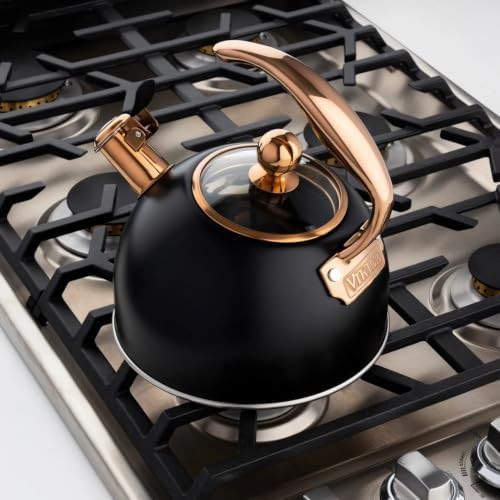
Viking
Matte black and copper stovetop tea kettle
$99.96
Black Stainless steel Medium Induction Glass
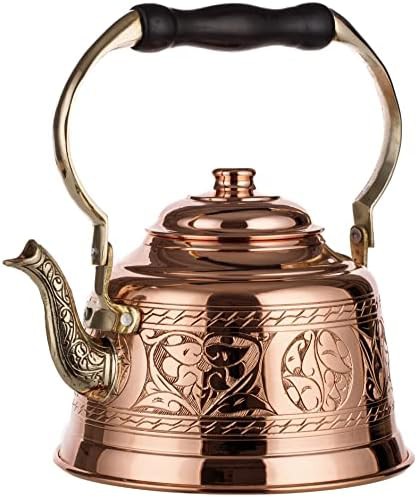 8.8
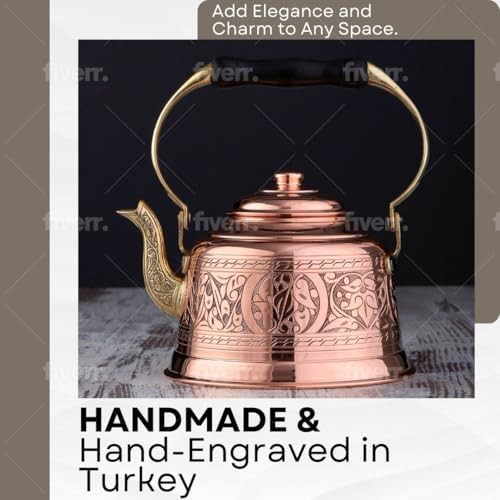
 8.8
 8.4
 8.4
 8.4
 8.2
 7.9
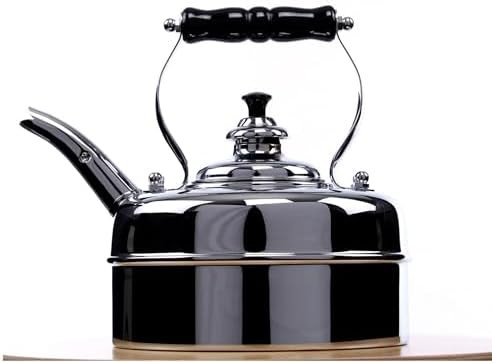 6.7
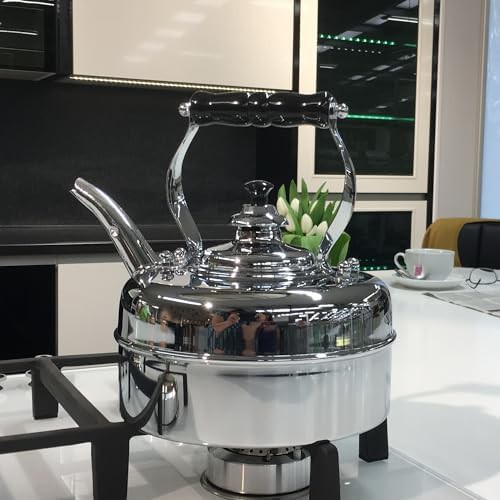
Newey & Bloomer
Silver Kensington Copper Tea Kettle 1.8L
$360
Medium For gas stoves Vintage For electric stoves Silver
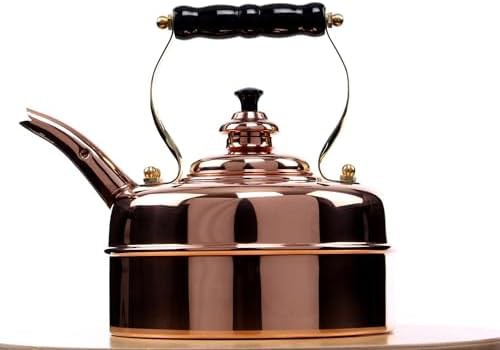 6.7
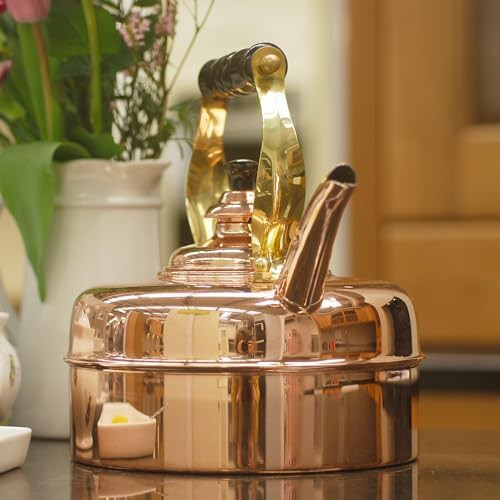
 6.5
IEUDNS
Vintage copper mini stovetop tea kettle
$35.69
Induction For gas stoves Vintage For electric stoves Small
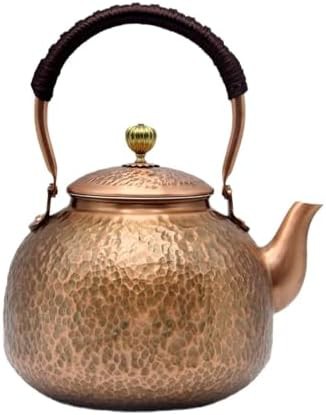
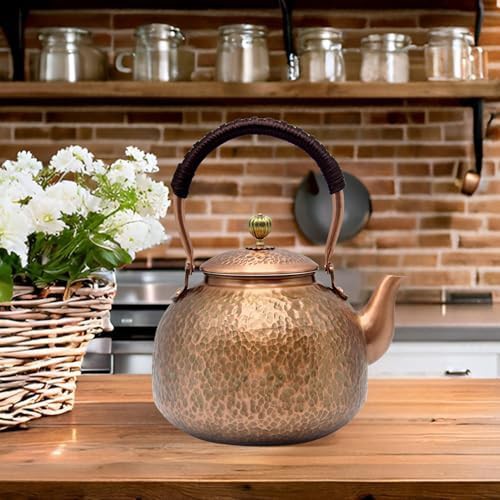
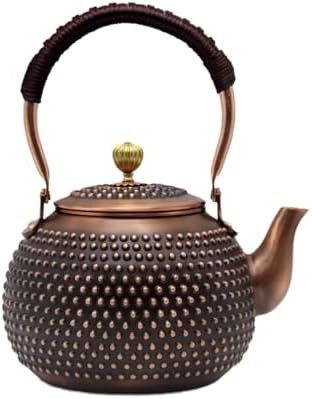
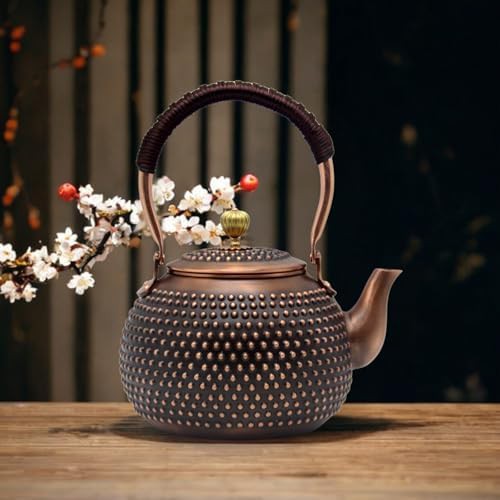
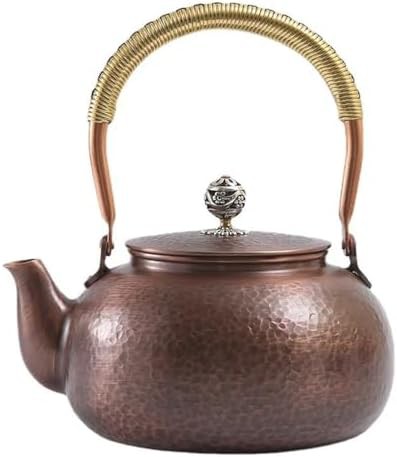
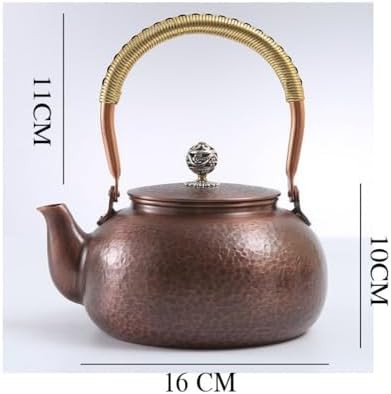
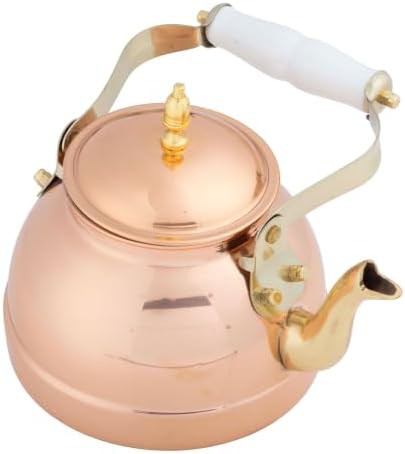
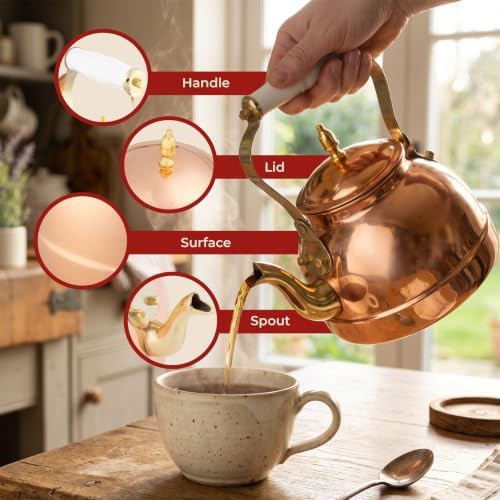
Classic Cuisine
Vintage copper kettle with ceramic handle
$67.95
Brown Medium For gas stoves Vintage For electric stoves
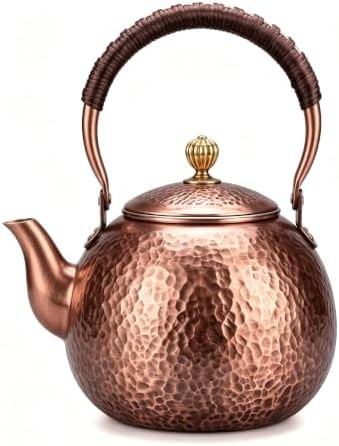
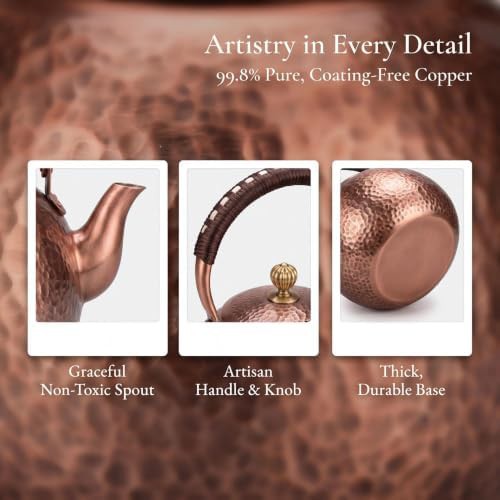
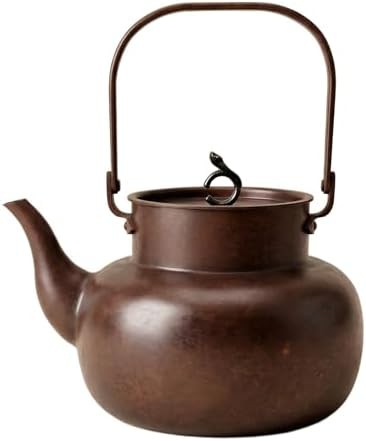
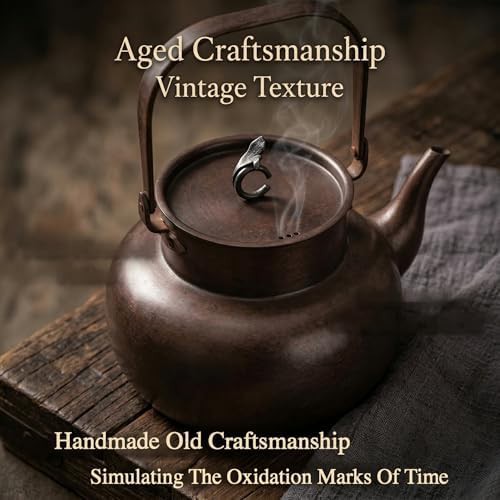
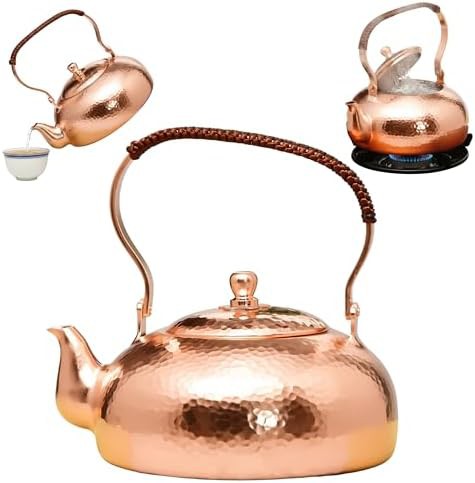
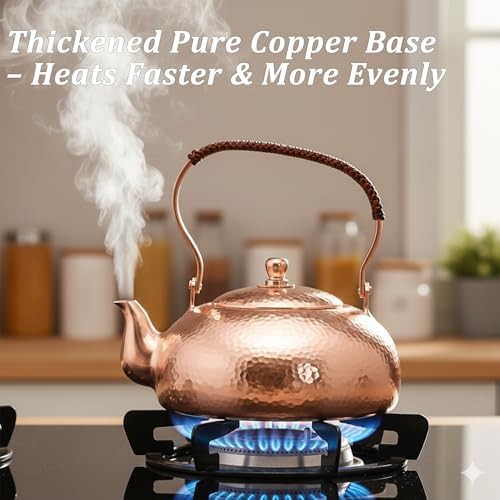
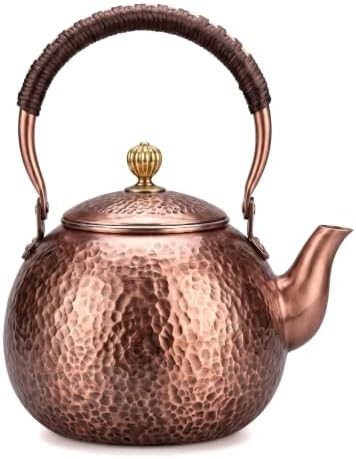
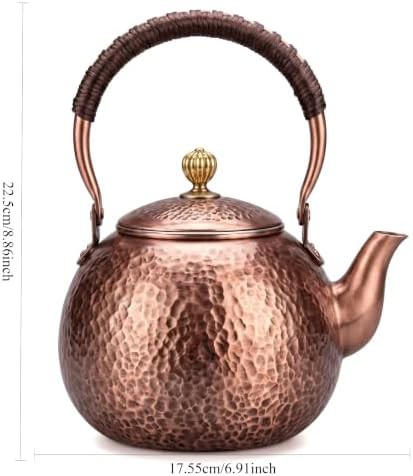
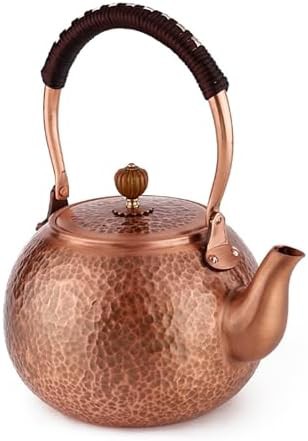
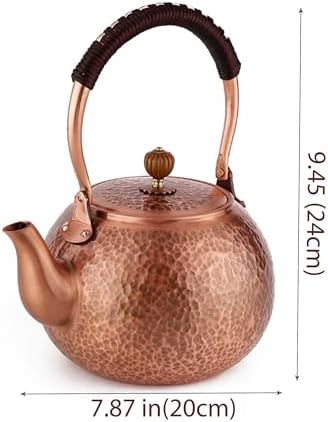
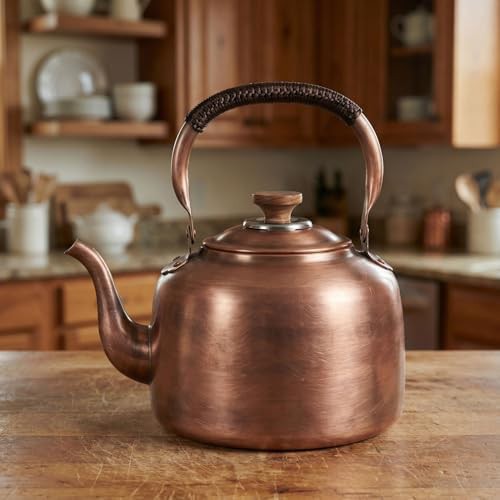
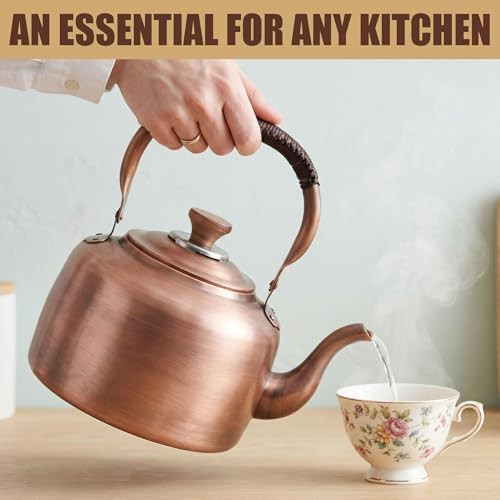
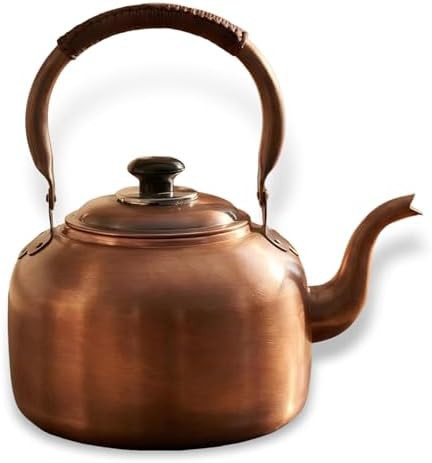
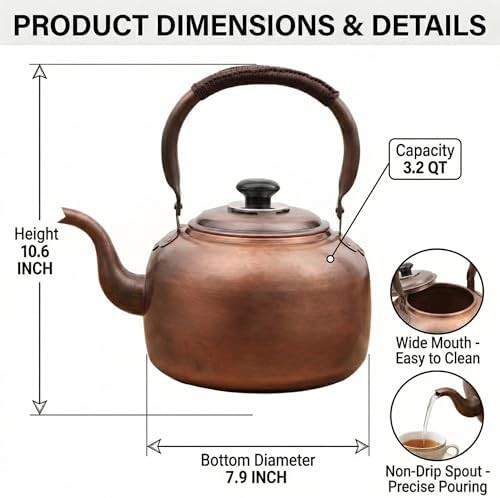
wloadry
Large solid copper whistling stovetop kettle
$94.99
Stainless steel Whistling Large Induction For gas stoves Cool touch
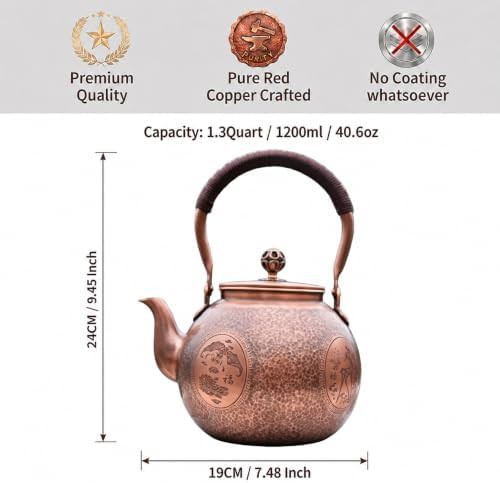
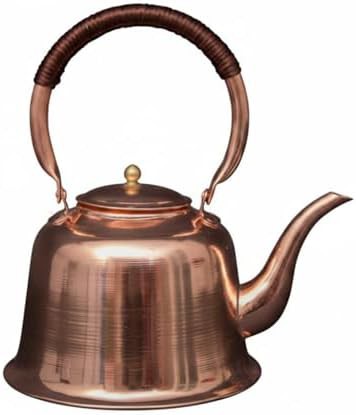
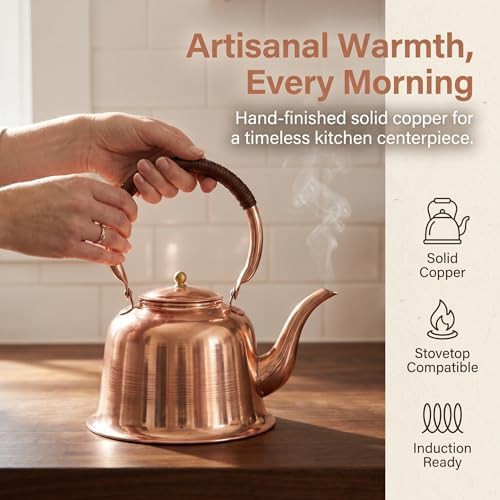
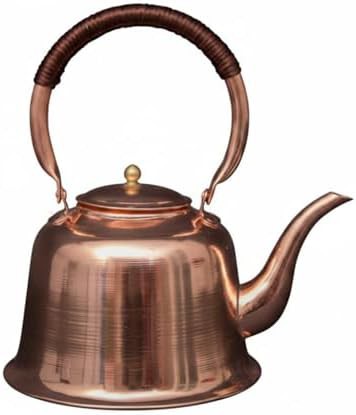
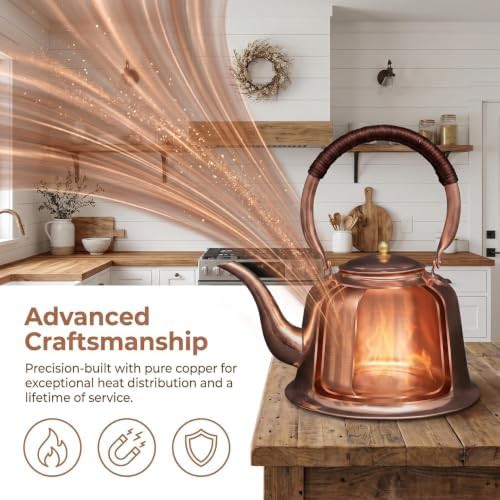
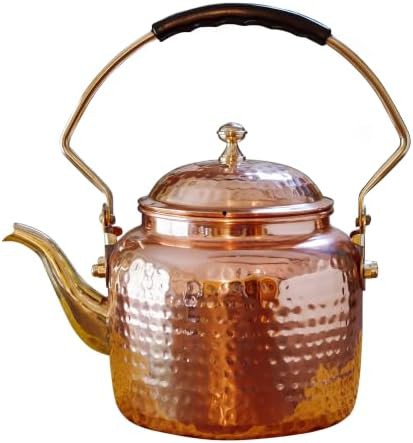
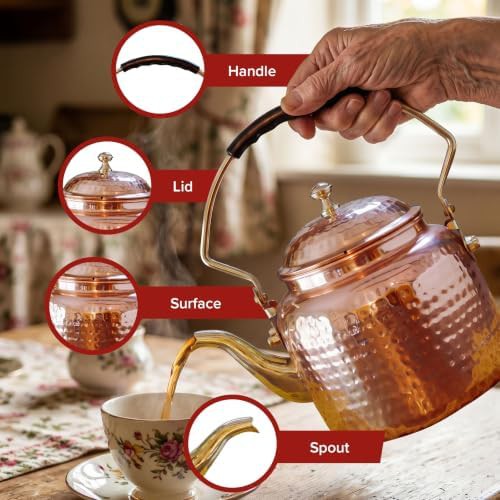
Trademark Global
Vintage copper stovetop tea kettle
$64.95
Brown Large For gas stoves Vintage For electric stoves
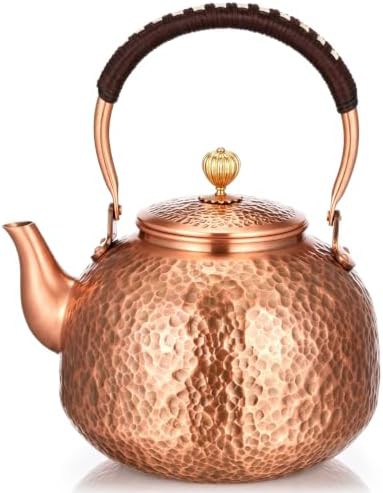
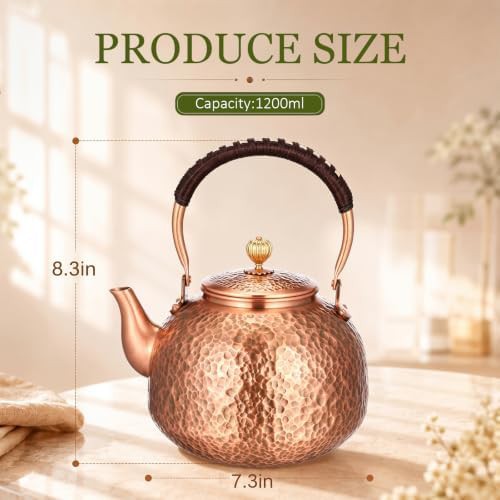
 6.7
Questions
Copper kettle questions
Does uncoated copper change the taste of the water or tea?
Uncoated copper can react slightly with water, especially if the kettle sits full for a long time. For daily boiling and pouring, most people notice no taste difference, but you should empty and dry it after use. Tin-lined copper avoids direct contact between water and copper.
Can I use a copper kettle on an induction cooktop?
No. Copper is not magnetic, so it will not heat on an induction burner. These kettles are made for gas stovetops. If you have induction, you need a steel or enameled steel kettle instead.
How do I keep the copper looking bright?
A patina will form naturally and many people prefer that look. To restore shine, use a copper polish or a mild acid like lemon and salt, then rinse well. Avoid abrasive scrubbers that scratch the surface.
Is a hammered or engraved copper kettle harder to clean?
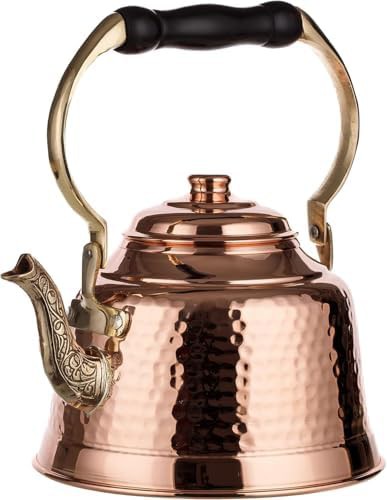
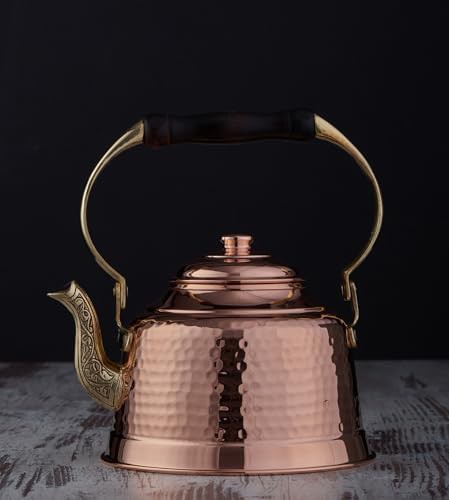
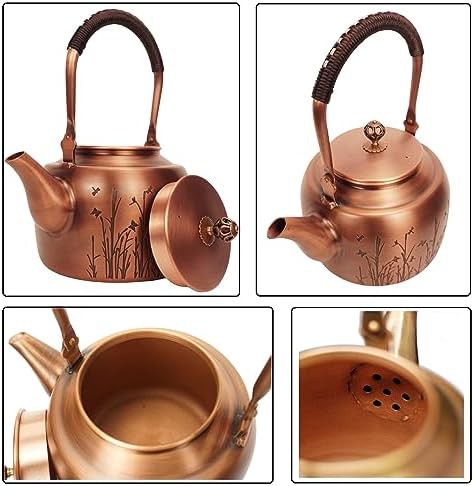
Textured surfaces trap a little more residue than smooth ones, but a soft sponge and warm soapy water handle both. The inside is what matters most for cleaning, and a smooth interior wipes out easily. Engraving is only on the outside.
How copper behaves on a stovetop
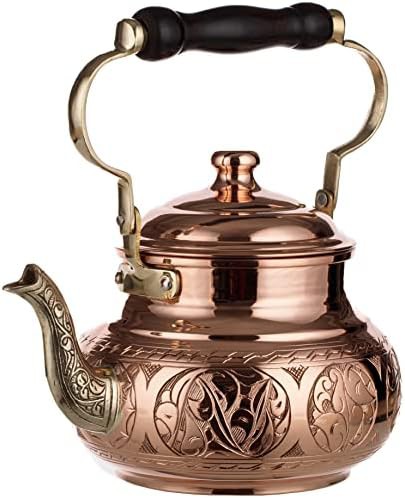
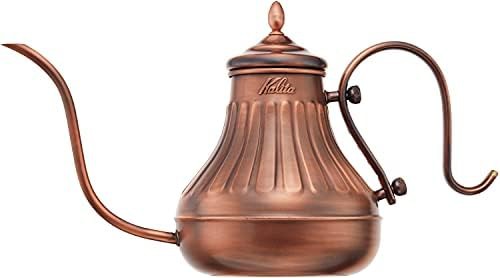
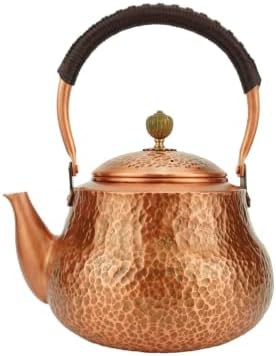
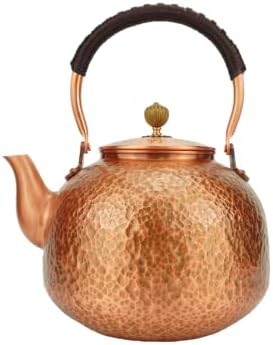
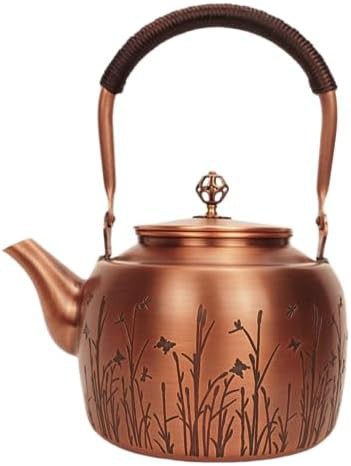
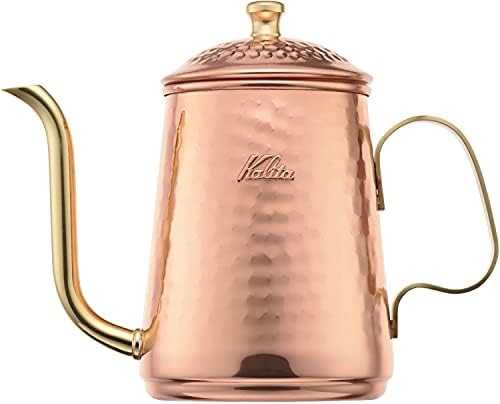
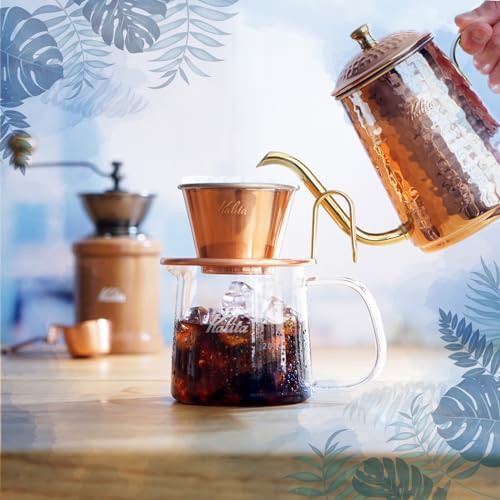
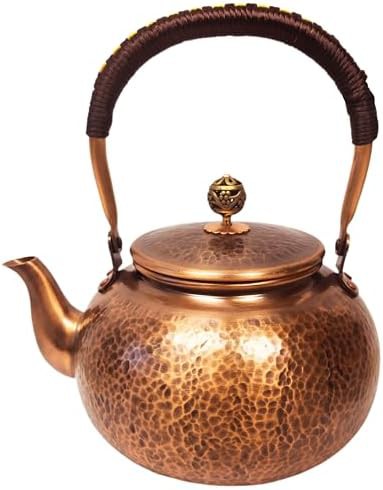
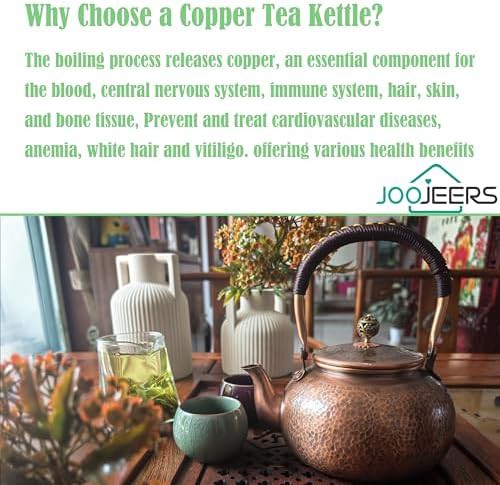
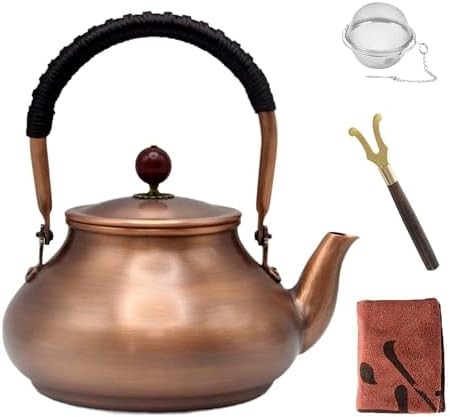
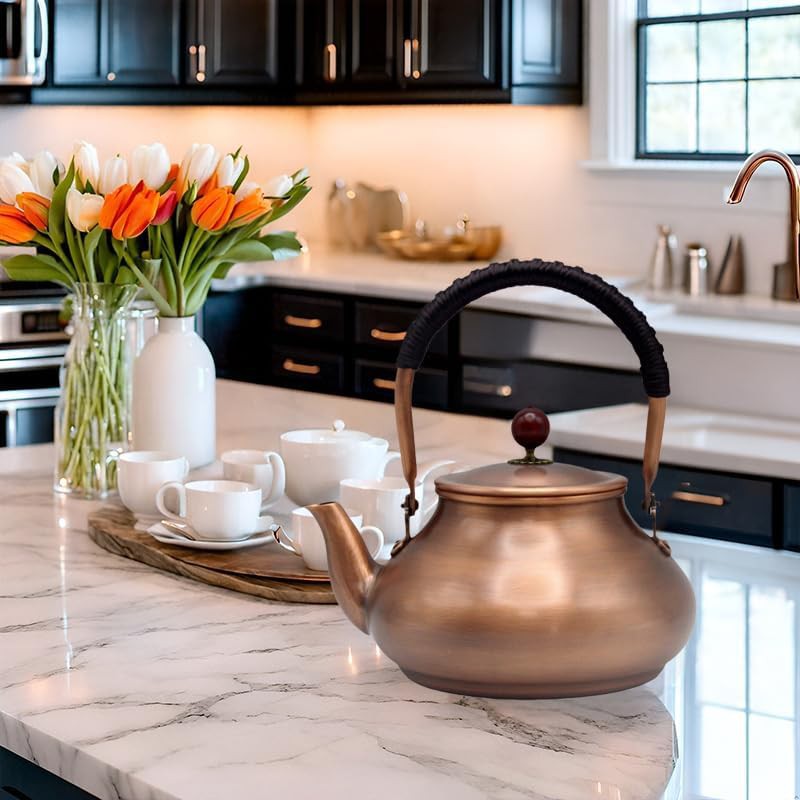
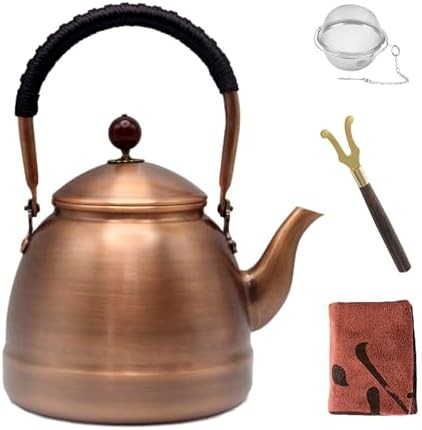
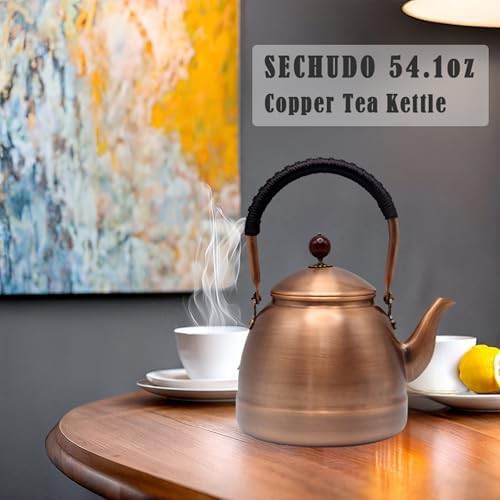
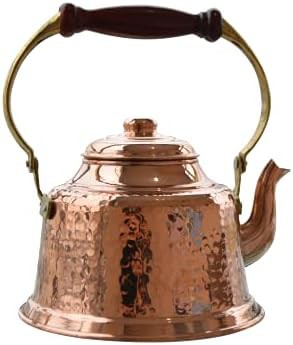
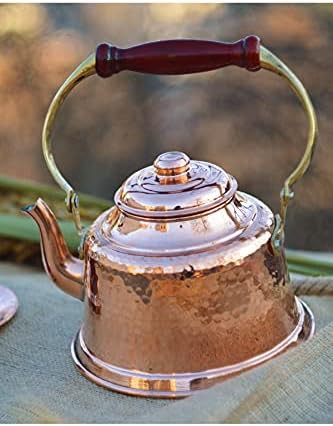
Copper conducts heat quickly and evenly, so water comes up to temperature fast and the metal responds almost immediately when you adjust the flame. These kettles are made for gas stovetops, and the handmade solid copper bodies are thick enough to hold heat well without hot spots. Uncoated copper will develop a patina over time, which changes the look but not the cooking performance.
Forms and sizes you will find
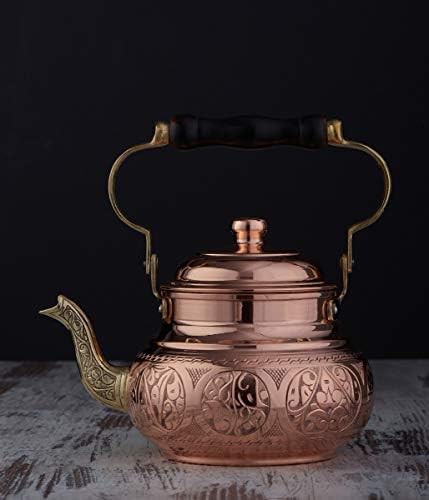
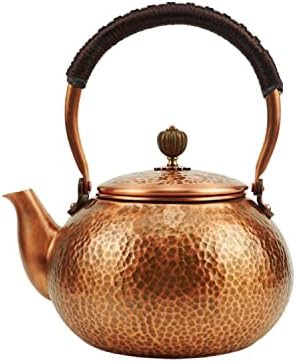
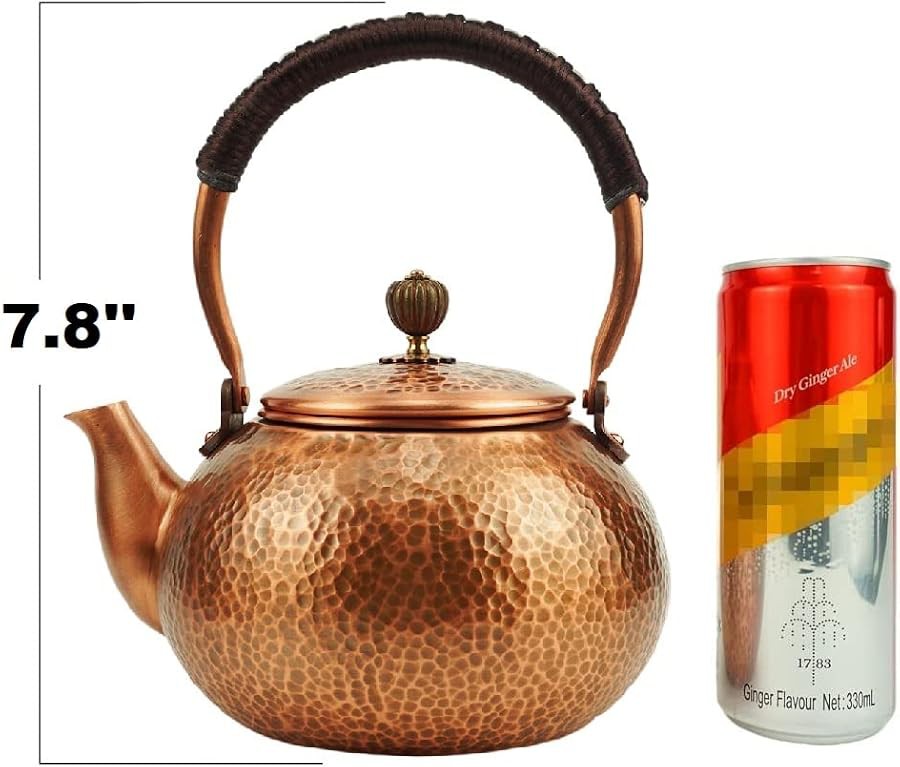
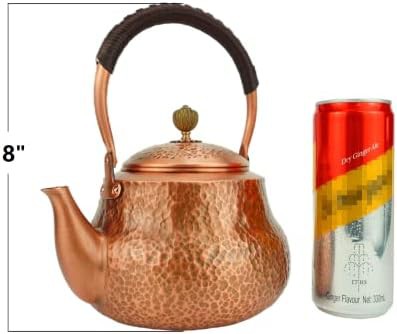
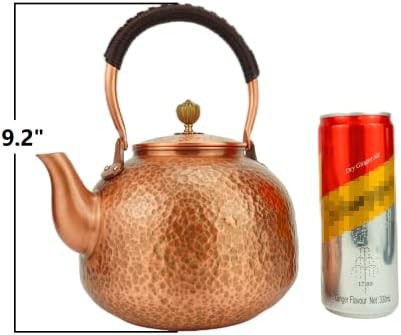
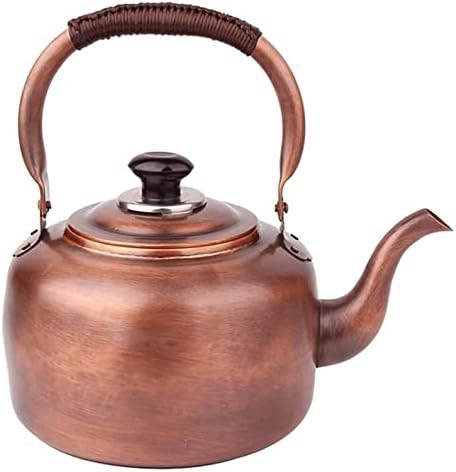
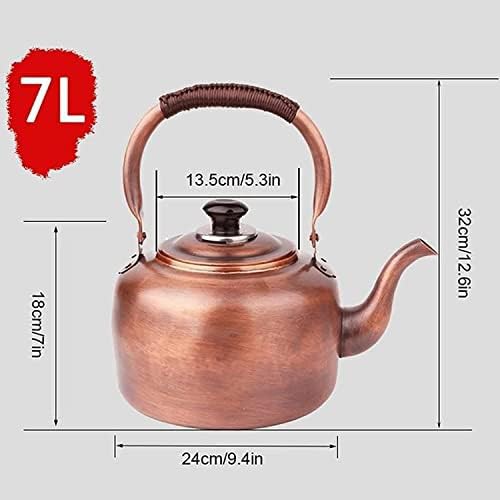
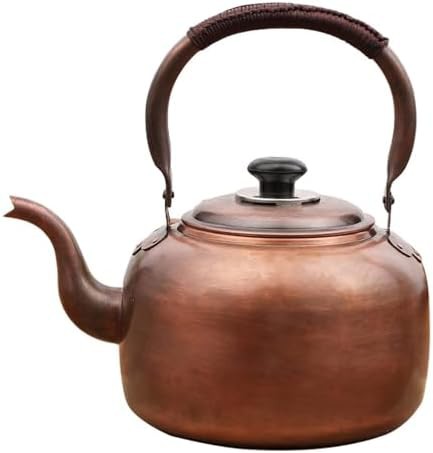
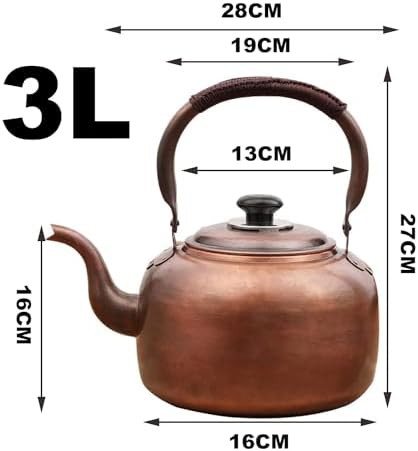
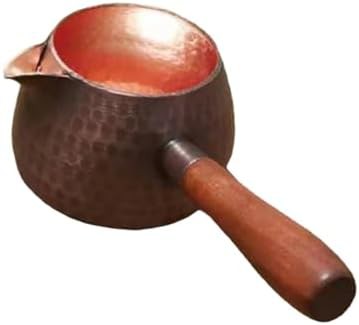
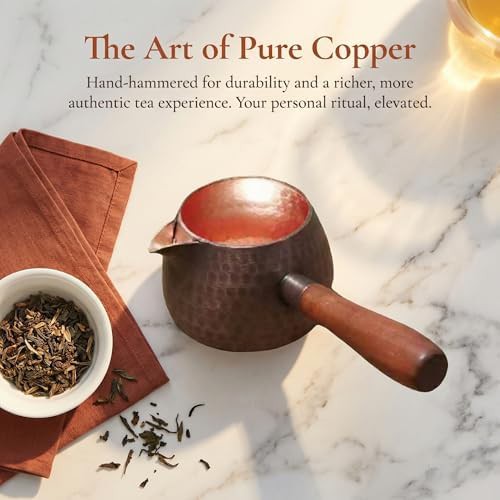
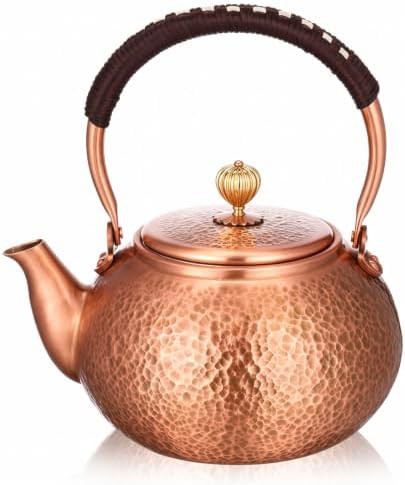
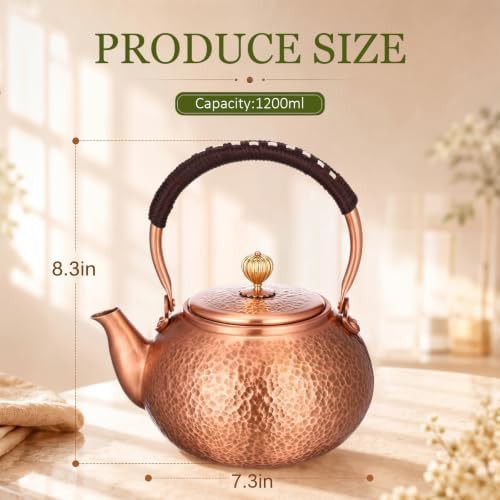
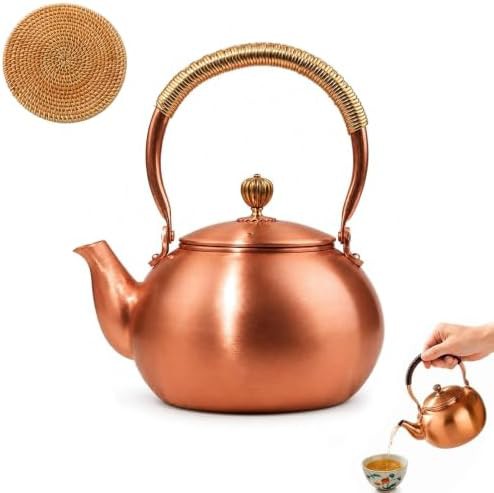
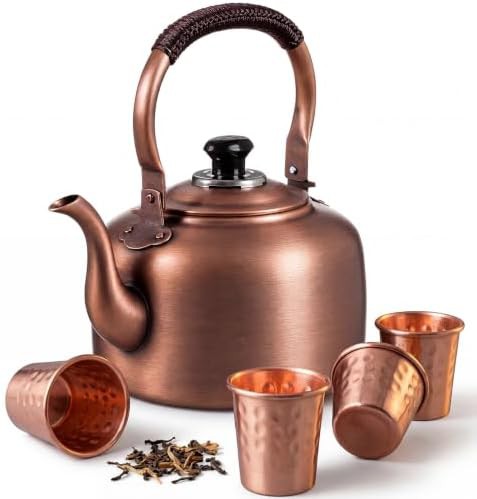
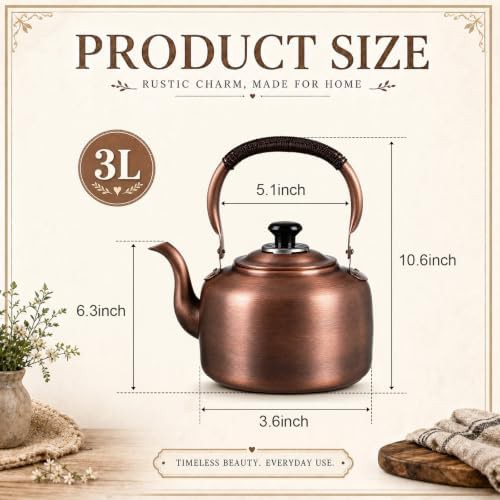
The kettles come in Chinese-style shapes with a non-slip handle and a lid that seats a tea ball or filter holes for loose tea. Capacities run from small to large, including: 1200ml, 1300ml, 1600ml, 2200ml. Some are smooth and some carry engraved or hammered surfaces, but all are solid copper rather than a copper finish over another metal.
Copper versus other kettle materials
Compared with stainless steel, copper heats faster and gives you more control at low simmer, but it needs more care to keep a bright finish and it is heavier for the same capacity. Enamel and glass kettles do not conduct as quickly and can be easier to clean, while copper rewards you with quicker response and a traditional look. If you want a kettle you can leave on the stove without watching the finish, copper asks more attention than steel.
What to check before buying
Look at the thickness and whether the interior is lined or uncoated, since tin-lined copper needs gentler handling than bare copper. Check the handle material and how it attaches, because a solid copper body gets hot and the handle is the only cool touch point. Confirm the base is flat and sized for your burner, and that the capacity matches how many cups you actually boil at once.
A tea ball or filter holes matter if you brew loose tea directly in the kettle, while a plain spout is fine for pouring over leaves in a separate pot. Handmade copper varies slightly in weight and finish, so expect small differences between pieces rather than a uniform factory look.